About Dorgi
About Dorgi
Discover the Dorgi, a charming Dachshund and Corgi mix loved by Queen Elizabeth II. Learn about its history, personality, care needs, and royal connection.

James
Posted on November 11, 2025.
Updated on February 23, 2026.
Table of Contents
- •A Hybrid with Royal Charm
- •What is a Dorgi?
- -The Dachshund Lineage
- -The Corgi Lineage
- 1.Key Takeaways on About Dorgi
- 2.Dorgi History and Royal Connection
- •Royal Origins
- •The Queen’s Beloved Dorgis
- •A Breed with Cultural Influence
- •Royal Care and Lifestyle
- 3.Why the Dorgi is Unique
- •Appearance: Size, Build, and Expression
- •Coat Types and Colors
- -Do Dorgis Have Long Hair?
- •Grooming Needs
- 4.Corgi vs Dorgi: What’s the Difference?
- •Dorgi Temperament and Personality
- 5.Are Dorgis Hypoallergenic?
- 6.Caring for a Dorgi
- •1. Exercise Requirements
- •2. Training Tips
- •3. Nutrition and Feeding
- •4. Grooming Needs
- •5. Mental Stimulation
- •Care Summary (Quick Reference):
- 7.Dorgi Health and Lifespan
- •Common Inherited Health Concerns
- •Lifespan and Longevity Factors
- •Tips for a Longer, Healthier Life
- •Health Overview (Extended):
- -Dorgi Health & Longevity Checklist:
- •Related Reading
- 8.Should You Get a Dorgi?
- •Is a Dorgi Right for Your Home?
- •Who They Suit Best
- •Who Might Struggle With a Dorgi
- •Pros and Cons of Owning a Dorgi
- -Pros
- -Cons
- •Lifestyle Snapshot
- -More From This Series:
- -Disclaimer
Share

A Hybrid with Royal Charm
There’s something quietly irresistible about a Dorgi. It’s not just their compact frame or the way they waddle with confidence, it’s the personality that radiates from those bright, expressive eyes. A cross between the loyal dachshund and the spirited Pembroke Welsh corgi, the Dorgi feels like a perfect meeting point of charm and character.
What sets this hybrid apart is its story. While many designer dogs became popular through trends, the Dorgi’s history is wrapped in something more enduring a royal household. Queen Elizabeth II’s love for both corgis and dachshunds led to several accidental litters, and suddenly, the world had a glimpse of a new crossbreed that carried both heritage and heart. Names like Vulcan and Candy became part of royal lore, and the Dorgi quietly found its place as a breed loved for both its wit and warmth.
Dorgis are what I’d call “companion dogs in the truest sense.” They’re playful but not manic, loyal without being overly clingy. They slot easily into family life, yet they bring enough personality to keep things interesting. Whether you’re a busy single, a family with kids, or even an apartment dweller, the Dorgi adapts — as long as you can give them daily walks, mental stimulation, and a place in the middle of your life.
This guide dives into everything you need to know about the Dorgi — its history, coat types, personality, and care essentials. If you’re considering welcoming a puppy, our Dorgi Puppies: Buying, Raising & Care Tips is worth a read. Think of this article as the starting point for understanding what makes this hybrid special — and why so many Dorgi owners describe life with one as “always lively, never dull.”
What is a Dorgi?
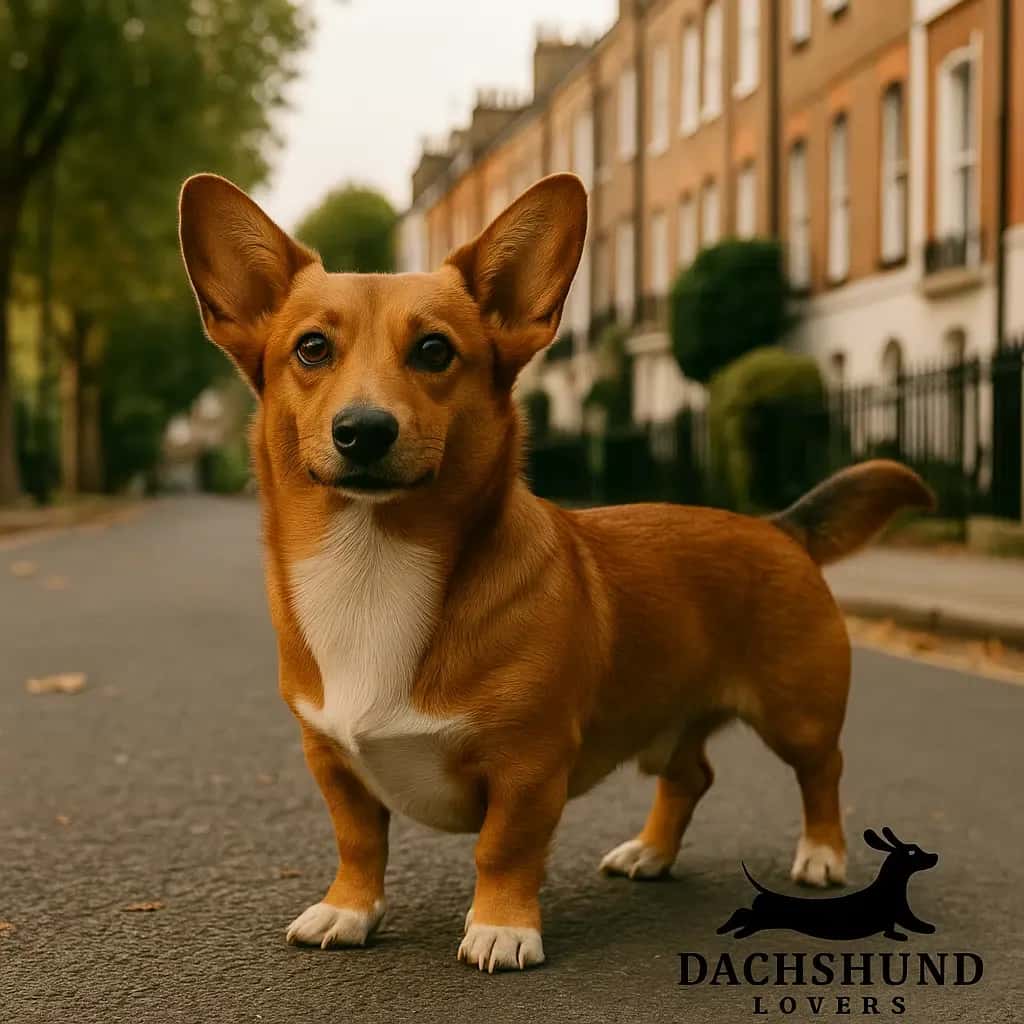
A Dorgi is a hybrid dog breed, born from crossing a dachshund (the beloved “wiener dog”) with a Pembroke Welsh corgi. This mix creates a dog that’s both compact and sturdy, with the elongated body of the dachshund and the upright, confident stance of the corgi. While neither the American Kennel Club (AKC) nor The Kennel Club (UK) recognizes the Dorgi as a pure breed, the combination of these two long-standing working dogs creates a hybrid that feels purposeful rather than experimental.
The Dachshund Lineage
Dachshunds bring boldness and a dash of mischief. Originally bred in Germany to hunt badgers, their distinctive long spine and short legs were designed for digging and chasing. They’re known for being independent yet affectionate, with a loyalty that often borders on protectiveness.
The Corgi Lineage
Corgis, particularly the Pembroke Welsh corgi, were herding dogs in rural Wales, celebrated for their intelligence and cheerful nature. Their fox-like faces and upright ears make them instantly recognizable, while their quick thinking and affectionate streak have made them a global favorite.
Together, these two breeds create a dog that’s smart, affectionate, and just a little stubborn. The Dorgi takes the dachshund’s fearless curiosity and pairs it with the corgi’s easy-going sociability, making them a breed that can charm their way into almost any home.
Key Takeaways on About Dorgi
Feature | Details |
|---|---|
Breed Type | Hybrid (Dachshund x Pembroke Welsh Corgi). |
Size & Weight | Typically 9–12 inches tall and 15–28 pounds |
Coat & Colors | Short-to-medium coats, often tan, sable, or black. Long-haired variations do exist. |
Temperament | Friendly, playful, protective, and loyal. |
Exercise Needs | Moderate: 30–45 minutes daily, plus mental enrichment like scent games. |
Health Risks | Back problems (IVDD) from dachshund lines; joint issues from corgis. See our Dorgi Health & Lifespan Guide for prevention tips. |
Family Compatibility | Great with children and pets when well socialized. |
Training | Intelligent but can be stubborn — positive reinforcement works best. |
Dorgi History and Royal Connection
The Dorgi’s story is more than just a tale of crossbreeding — it’s tied to British royal history and the enduring legacy of Queen Elizabeth II. While dachshund-corgi mixes may have occurred informally for decades, the Dorgi only gained prominence in the 20th century when the royal family, by accident, brought this hybrid into the public eye. Unlike many modern designer breeds that were created for trends, the Dorgi’s heritage feels authentic and deeply personal.
Royal Origins
Queen Elizabeth II’s love for corgis is legendary, spanning over 14 generations of dogs descending from her first corgi, Susan, gifted to her on her 18th birthday. By the late 1970s, the Queen and her sister, Princess Margaret, were both known for their devotion to dogs — Margaret with her dachshunds, and the Queen with her beloved corgis.
According to The Royal Family’s official site and historical reports, the first known Dorgi litter resulted when one of the Queen’s corgis mated with Princess Margaret’s dachshund, Pipkin, during a visit to the royal estate. This unplanned mix created puppies that blended the corgi’s sociable, herding nature with the dachshund’s playful and independent personality.
The Queen’s Beloved Dorgis
Over the decades, the Queen’s household welcomed several Dorgis, with Vulcan, Candy, and Chipper becoming especially famous.
- Vulcan was often photographed alongside the Queen and her corgis, including in the 2016 Annie Leibovitz portrait series for Vanity Fair, which celebrated the Queen’s 90th birthday.
- Candy was the last surviving royal Dorgi, living with the Queen for over 18 years and frequently spotted at Windsor Castle.
- Other Dorgis, like Berry and Cider, were also part of the royal kennels, though they were less public-facing.
Sources like BBC News and Town & Country highlight how the Queen’s Dorgis became a symbol of her private life — warm, down-to-earth, and devoted to her pets.
A Breed with Cultural Influence
The Queen’s affection for Dorgis gave this hybrid worldwide visibility. Much like her corgis, the Dorgis were often seen accompanying her on walks at Balmoral or Sandringham, creating a wave of interest in this rare crossbreed. Unlike purpose-bred designer dogs, the Dorgi was an accidental blend that captured a balance of heritage and charm — something the Queen reportedly admired.
The hybrid became particularly well-known in the 1980s and 1990s when royal photographers frequently captured images of the Queen walking with both her corgis and Dorgis. This visibility made the Dorgi a sought-after hybrid, admired not just for its royal connection but also for its balanced temperament and adaptability.
Royal Care and Lifestyle
The Queen was famously hands-on with her dogs. Reports from Hello Magazine and other royal insiders note that she personally oversaw their feeding, exercise, and even training sessions, despite her busy schedule. This close bond explains why the Dorgi, with its gentle yet playful disposition, became such a beloved member of her royal household.
Even in her later years, the Queen enjoyed long walks with her dogs. Candy, her last Dorgi, was often spotted walking with her around Windsor and Balmoral — a living reminder of the enduring affection that started with the first litter decades earlier.
For More About Their Royal Heritage
Our Queen Elizabeth’s Dorgis: Royal History & Legacy article dives deeper into the lives of Vulcan, Candy, and other royal Dorgis, offering insights into how these hybrids became part of the Queen’s personal story.
Why the Dorgi is Unique
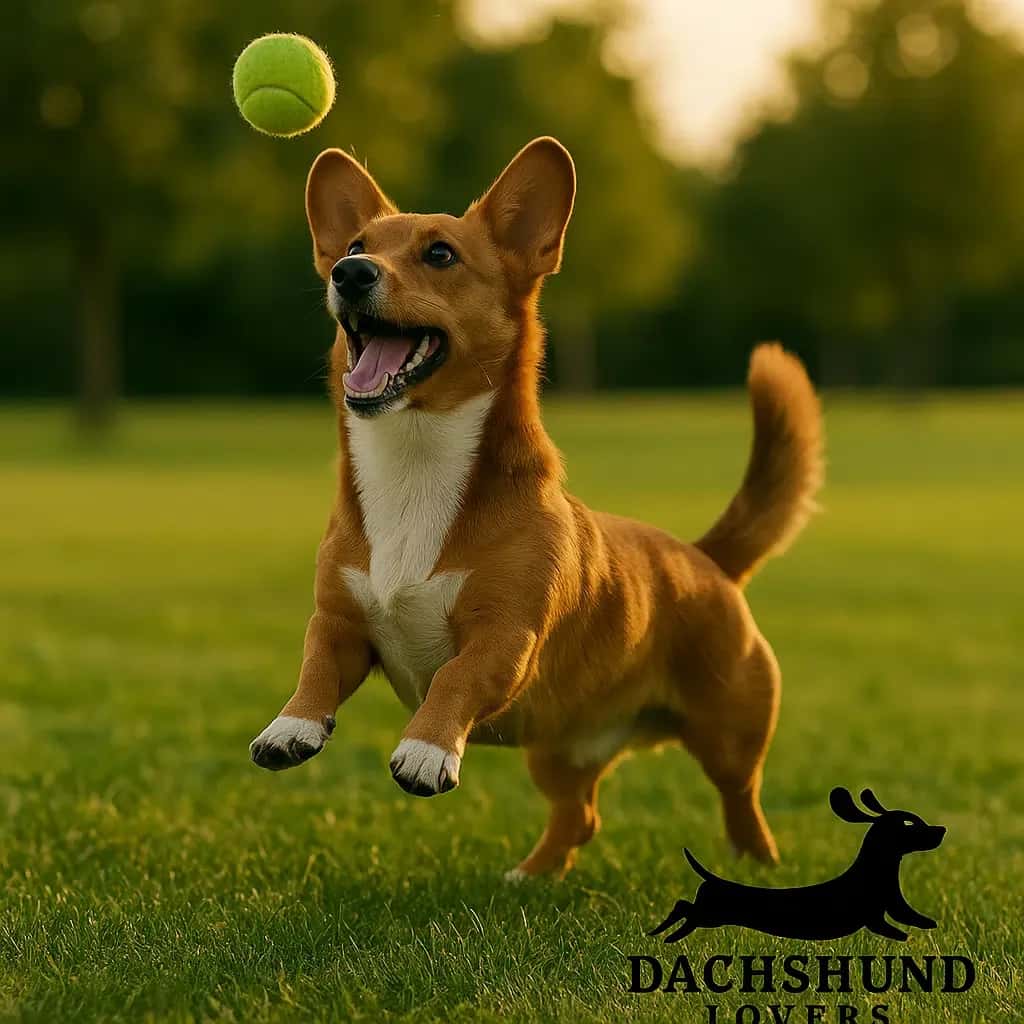
The Dorgi stands out among hybrid dogs not because of a breeding trend but because of its authentic origin story and enduring character. Unlike many “designer breeds” created to follow market demand, the Dorgi’s roots are deeply personal, tied to the lives of Queen Elizabeth II and Princess Margaret. This blend of corgi and dachshund wasn’t bred for aesthetics or social media appeal — it was simply the product of two much-loved royal pets.
What makes the Dorgi particularly unique is how it inherited the best qualities of its parent breeds. The corgi’s cheerful personality, intelligence, and strong herding instincts combine seamlessly with the dachshund’s fearless curiosity, loyalty, and alertness. This mix results in a companion that is both social and brave — playful but also highly protective of its family.
Appearance: Size, Build, and Expression
A Dorgi’s look depends on which parent breed’s traits dominate. Some have a corgi’s fox-like face and perky ears, while others inherit the dachshund’s longer muzzle and floppy ears. Despite these differences, most Dorgis share a few key physical traits:
- Size: Typically between 9 and 12 inches tall at the shoulder.
- Weight: 15–28 pounds, though miniature dachshund mixes can be smaller.
- Body Shape: A long, low build reminiscent of dachshunds, but with the sturdier frame of a corgi.
- Tail: Often long and slightly curled, with feathering if the coat is longer.
- Eyes: Warm, almond-shaped eyes that radiate intelligence and curiosity.
Coat Types and Colors
Dorgis can inherit varied coat types depending on the dachshund’s genetics:
- Short-Coated Dorgis: Smooth, low-maintenance, and similar to corgis.
- Long-Haired Dorgis: Softer, feathered fur, requiring regular brushing to avoid tangles.
- Wire-Coated Variants: Rare, but possible if the dachshund parent is wire-haired.
Colors: Common shades include tan, sable, black, red, or even two-tone patterns (e.g., black and tan). Some may inherit unique markings — like the white chest patches common in corgis.
Do Dorgis Have Long Hair?
While most Dorgis have a short or medium coat, long-haired Dorgis do exist, especially when bred from long-haired dachshunds. These dogs often resemble a corgi with silky fur and feathered ears/tails. Long-haired coats require:
- Brushing 2–3 times per week to prevent matting.
- Occasional trimming around the paws and tail.
- Seasonal shedding management (particularly in spring and fall).
Grooming Needs
Both corgis and dachshunds are moderate shedders, so expect your Dorgi to shed year-round, with seasonal spikes. Grooming is straightforward:
- Brush weekly (more often for long-haired Dorgis).
- Bathe once every 4–6 weeks using dog-safe shampoo.
- Trim nails monthly and check ears weekly for wax or debris.
For tips on grooming puppies, see Dorgi Puppies: Buying, Raising & Care Tips.
Corgi vs Dorgi: What’s the Difference?
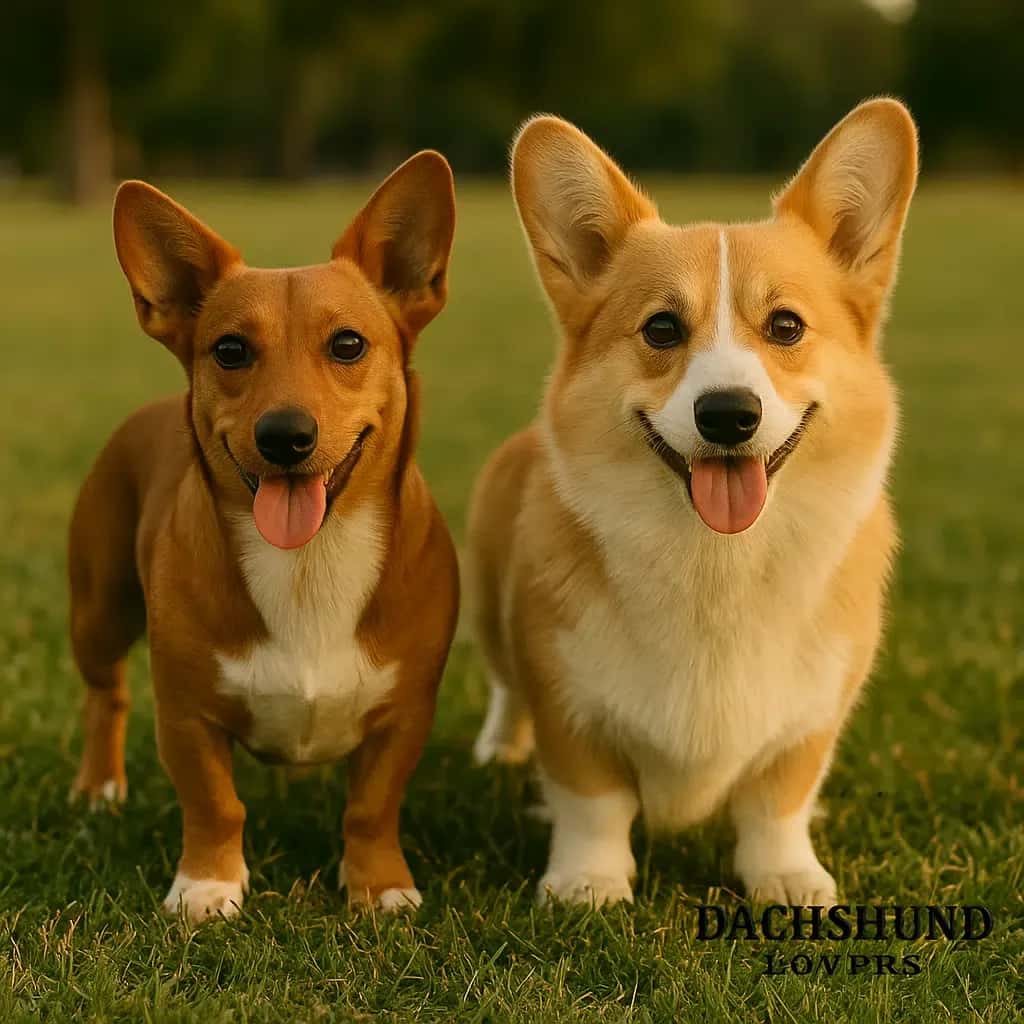
The corgi and Dorgi might look similar to the untrained eye, but the subtle differences between the two breeds go beyond appearance. Both are small, energetic dogs with loyal temperaments, but the Dorgi introduces a slightly different dynamic due to its dachshund heritage.
Corgis were bred as herding dogs in Wales and have a history of managing cattle with impressive intelligence and agility. Dorgis, on the other hand, inherit the dachshund’s hunting lineage, resulting in a more independent and alert personality. While corgis are highly focused on teamwork, Dorgis may have a playful streak of stubbornness.
Another key difference is their body structure. Corgis have a slightly more robust build with shorter, straighter backs, while Dorgis tend to be a little longer and leaner, with a frame that resembles the dachshund’s iconic shape. This difference in structure means that while both breeds require careful management of weight, Dorgis often need more attention to spinal health — something we’ve covered in depth in our Dorgi Health & Lifespan Guide.
Key Differences (Dot Points):
- Body Shape: Corgis are compact, while Dorgis are slightly longer due to dachshund genes.
- Energy: Corgis have slightly higher stamina, while Dorgis balance energy with playful rest periods.
- Personality: Dorgis are a mix of corgi sociability and dachshund independence.
- Coat: Dorgis can have varied coat lengths (short, medium, or long), while corgis have predictable short double coats.
- Ears: Dorgis may have semi-erect or floppy ears, unlike the standard pointed ears of corgis.
- Health: Dorgis have more risk of spinal problems (IVDD) due to the dachshund’s long back.
Dorgi Temperament and Personality
The Dorgi is best described as loyal, playful, and a little mischievous. This breed thrives on human interaction and is happiest when they’re part of daily family life. While they can be independent thinkers — a trait inherited from dachshunds — their corgi side makes them eager to please and quick to bond.
Family-Friendly Personality
Dorgis are excellent companions for families, particularly those with school-aged children. They are playful and gentle, yet confident enough to join in active games. However, due to their smaller size, interactions with toddlers should be supervised to prevent accidental rough handling.
Social Nature
When socialized early, Dorgis generally get along well with other dogs and household pets. Their corgi genes contribute to an open, friendly temperament, while the dachshund side adds curiosity and alertness. They may occasionally show territorial behavior, particularly around their favorite person, but this is easily managed with training.
Vocal Tendencies
Both corgis and dachshunds are known for their vocal communication, which means Dorgis may bark to alert, greet, or even play. Proper training, paired with adequate exercise, helps to reduce unnecessary barking.
Temperament Highlights (Dot Points):
- Affectionate: They love being close to their family and often follow their favorite person around the house.
- Playful Energy: Ideal for interactive games, fetch, or even short agility courses.
- Protective but Friendly: While they may bark at strangers, they quickly warm up to new faces.
- Smart and Trainable: Quick learners with a love for rewards-based training.
- Stubborn Streak: Can test boundaries, especially if they inherit strong dachshund traits.
- Adaptable: Happy in apartments or houses, as long as daily walks and play sessions are part of the routine.
Are Dorgis Hypoallergenic?
The short answer is no, Dorgis are not hypoallergenic. Both dachshunds and corgis are moderate shedders, and this trait is passed on to the Dorgi hybrid. Their coats — whether short, medium, or long — release dander (tiny skin flakes) and hair, which are the primary triggers for people with allergies.
Understanding Shedding and Allergens
- Seasonal Shedding: Like corgis, many Dorgis experience heavier shedding during spring and autumn, when they shed their undercoats to adapt to seasonal changes.
- Allergen Management: While no dog is 100% hypoallergenic, proper grooming can significantly reduce shedding and allergens. Regular brushing, bathing, and vacuuming are essential for keeping hair and dander under control.
Grooming Tips for Allergy-Friendly Homes:
- Brush 2–3 times per week for short coats, and 3–4 times weekly for long-haired Dorgis.
- Bathe with a gentle, dog-specific shampoo every 4–6 weeks to keep the coat clean and minimize dander.
- Use an air purifier indoors and wash bedding frequently to control allergens.
Key Points on Hypoallergenic Care:
- Dorgis are moderate shedders — not suitable for severe allergy sufferers.
- Grooming and cleaning routines can make a huge difference.
- Professional grooming every few months is helpful for long-haired Dorgis
Caring for a Dorgi
Caring for a Dorgi is both rewarding and engaging, but this hybrid’s mix of corgi energy and dachshund independence means they need a thoughtful balance of physical activity, mental stimulation, and preventive care. While they adapt easily to various lifestyles — from apartments to family homes — they thrive best when they feel included as part of the family routine.
According to the American Kennel Club (AKC), hybrids like the Dorgi benefit from consistent structure and positive reinforcement training, given that they may inherit a stubborn streak from their dachshund lineage. The key is to focus on routines that build confidence and prevent boredom.
1. Exercise Requirements
Dorgis have moderate energy levels, but their daily exercise is critical for maintaining both mental and physical health.
- Daily Walks: Aim for at least 30–45 minutes of gentle walking. Splitting exercise into two shorter walks (morning and evening) can prevent overstimulation and help them stay calm indoors.
- Playtime: Games like fetch, hide-and-seek with toys, or low-impact tug-of-war are excellent for burning energy.
- Mental Games: Incorporate puzzle feeders or scent games to engage their sharp mind.
- Low-Impact Activities: Because Dorgis have a long back (like dachshunds), avoid activities that involve jumping, climbing stairs, or rough play to prevent spinal strain and conditions like IVDD (intervertebral disc disease).
Tip: Short but regular bursts of activity are better for Dorgis than one intense session. A good rule of thumb from VCA Animal Hospitals is to avoid any exercise that might put undue pressure on their spine.
2. Training Tips
Training a Dorgi is fun but requires consistency and patience. They’re quick learners but can test boundaries, particularly if they inherit the dachshund’s independent nature.
- Positive Reinforcement: Treats, praise, and playtime work best. Avoid harsh corrections, which can make them resistant.
- Short Sessions: Keep training sessions to 5–10 minutes, several times per day, to maintain their focus.
- Early Socialization: Introduce them to new environments, sounds, people, and pets while they’re young (between 8–16 weeks) to encourage confidence.
- Key Commands: Focus on essentials like sit, stay, quiet (to manage barking), and recall (come).
For more detailed strategies, see Dorgi Temperament & Personality Traits for a tailored training approach.
3. Nutrition and Feeding
A proper diet is vital for maintaining a healthy weight — something particularly important for Dorgis due to their risk of spinal and joint problems.
- Portion Control: Overfeeding can lead to obesity, which increases strain on the spine and hips.
- High-Quality Food: Look for foods with real meat as the first ingredient, moderate fat content, and added joint-support supplements like glucosamine and omega-3 fatty acids.
- Meal Frequency: Feed adult Dorgis two measured meals daily rather than free-feeding. Puppies require three to four smaller meals.
- Healthy Treats: Use carrot sticks, apple slices (without seeds), or training treats with fewer than five calories each to avoid excessive weight gain.
4. Grooming Needs
Dorgis are moderate shedders, and their grooming needs vary depending on coat type:
- Short Coats: A weekly brush is enough to remove loose fur and maintain shine.
- Long-Haired Dorgis: Brush 3–4 times per week to prevent tangles and matting.
- Bathing: Once every 4–6 weeks with a dog-safe shampoo (unless they get particularly dirty).
- Additional Care: Trim nails monthly, clean ears weekly to avoid infections, and brush teeth 2–3 times per week to prevent tartar build-up — a common issue in smaller breeds.
5. Mental Stimulation
A bored Dorgi can quickly turn to undesirable behaviors like barking, digging, or chewing. Keeping them mentally engaged is just as important as physical exercise.
- Puzzle Toys & Snuffle Mats: These encourage natural hunting instincts and problem-solving skills.
- Interactive Play: Rotate toys to keep their interest fresh.
- Trick Training: Teach fun commands like spin or paw — not only do these entertain your Dorgi, but they also reinforce your bond.
- Scent-Based Games: Hide treats around the house or garden to tap into their natural scent-tracking abilities.
Care Summary (Quick Reference):
- Exercise: 30–45 minutes daily + mental enrichment.
- Training: Positive reinforcement, short sessions, and early socialization.
- Diet: High-quality food, portion control, and joint-support supplements.
- Grooming: Weekly brushing (or 3–4 times for long-haired Dorgis), monthly nail trims, and routine dental care.
- Enrichment: Puzzle toys, obedience games, and scent work.
Dorgi Health and Lifespan
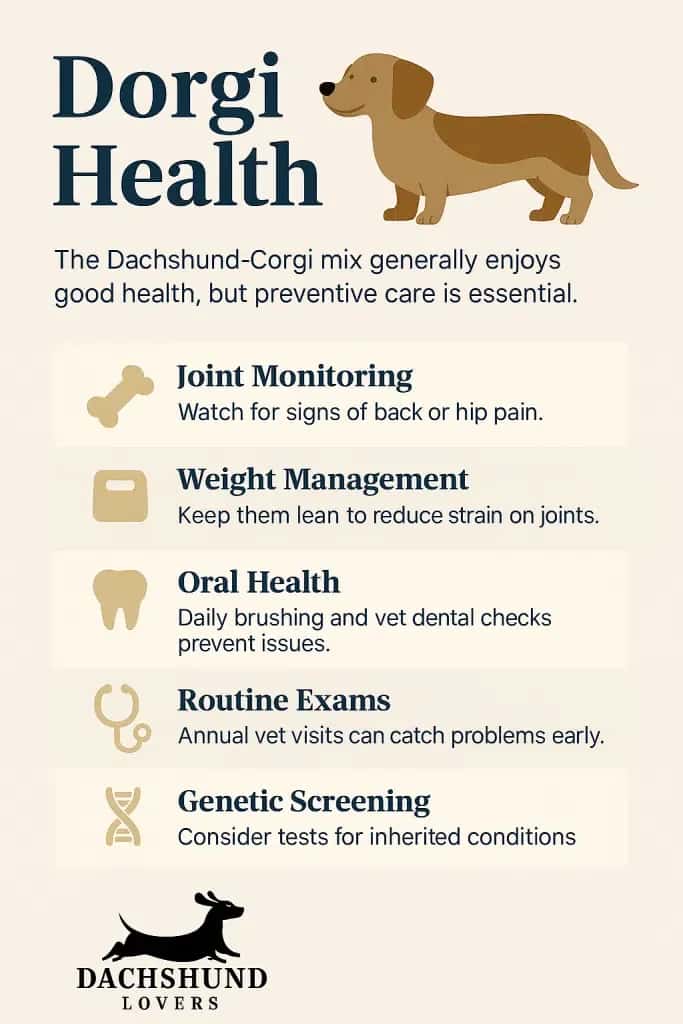
The Dorgi is generally considered a robust hybrid thanks to its mixed-breed genetics, which can reduce certain hereditary risks compared to purebred dogs. However, like all crossbreeds, Dorgis may inherit health vulnerabilities from both parent breeds — the dachshund and the Pembroke Welsh corgi. With the right preventive care, most Dorgis live between 12 and 15 years, though some have been known to reach 16–17 years when well cared for.
Common Inherited Health Concerns
- Intervertebral Disc Disease (IVDD)
- What It Is: A spinal condition where the cushioning discs between vertebrae deteriorate or rupture, pressing on the spinal cord and causing pain, mobility issues, or even paralysis.
- Risk Factors: Long-backed breeds like dachshunds and corgi crosses are predisposed to IVDD.
- Prevention Tips:
- Use ramps or pet stairs to reduce jumping.
- Maintain a lean body weight to minimize strain on the spine.
- Avoid rough play or activities that involve twisting and high-impact movements.
- Use ramps or pet stairs to reduce jumping.
- Trusted Source: VCA Animal Hospitals – IVDD Overview.
- Hip Dysplasia
- What It Is: An abnormal development of the hip joint that leads to instability, pain, and arthritis.
- Inherited From: Corgis, which have a history of hip-related issues due to their structure.
- Prevention Tips:
- Feed a balanced diet with added joint support (glucosamine and omega-3s).
- Keep exercise low-impact, with controlled walks rather than hard running.
- Regular vet checkups for early detection.
- Feed a balanced diet with added joint support (glucosamine and omega-3s).
- Patella Luxation
- What It Is: A condition where the kneecap slips out of place, causing intermittent lameness.
- Common Sign: Your Dorgi may occasionally skip on one leg when walking.
- Prevention Tips: Maintain muscle tone through gentle exercises and avoid obesity.
- Obesity and Diabetes
- Dorgis are food lovers. Excess weight doesn’t just shorten lifespan — it directly worsens back and joint conditions.
- Solution:
- Measure meals carefully.
- Incorporate low-calorie training treats like carrot sticks or freeze-dried meats.
- Regular weigh-ins (monthly) to keep them within the 15–28 lb range.
- Measure meals carefully.
- Dental Disease
- Like many smaller breeds, Dorgis are prone to tartar buildup and gum disease, which can lead to serious infections if left untreated.
- Prevention Tips: Brush teeth 2–3 times weekly, provide dental chews, and schedule professional cleanings.
- Trusted Source: PetMD – Dental Care in Dogs.
- Skin Issues and Shedding
- Some Dorgis inherit sensitive skin or seasonal shedding tendencies from the corgi’s double coat.
- Care Tip: Regular brushing and hypoallergenic shampoos (every 4–6 weeks) help manage dander and coat health.
- Eye Conditions
- Progressive Retinal Atrophy (PRA) and cataracts can appear in older Dorgis, particularly if these conditions run in the parent breeds.
- Prevention: Annual eye exams, antioxidant-rich diets, and omega fatty acid supplements can support eye health.
Lifespan and Longevity Factors
A healthy Dorgi, with proper diet, exercise, and preventive vet care, can live between 12 and 15 years. Some owners report that smaller Dorgis, particularly those bred from miniature dachshunds, may live even longer, reaching 16 years or more.
Tips for a Longer, Healthier Life
- Weight Control: The single most important factor for longevity. Overweight Dorgis are at a significantly higher risk of IVDD and arthritis.
- Joint Supplements: Adding glucosamine, chondroitin, and fish oil to their diet from age 2–3 can delay the onset of joint problems.
- Daily Low-Impact Exercise: Regular walks keep muscles strong, reducing stress on bones and joints.
- Preventive Vet Visits: Schedule annual checkups and bi-annual exams once your Dorgi reaches 8 years of age.
Health Overview (Extended):
- Average Lifespan: 12–15 years (with proper care).
- Key Risks: IVDD, hip dysplasia, patella luxation, obesity, dental issues, PRA.
- Vet Schedule:
- Annual exams and vaccinations until 7 years of age.
- Bi-annual wellness checks for seniors (8+ years).
- Annual exams and vaccinations until 7 years of age.
- Supplements: Omega-3, glucosamine, and probiotics (vet-approved).
- Preventive Tools:
- Ramps for furniture to avoid spinal strain.
- Puzzle feeders to prevent boredom and obesity.
- Regular dental care to prevent gum infections.
- Ramps for furniture to avoid spinal strain.
Dorgi Health & Longevity Checklist:
Health Focus | Action Plan |
|---|---|
Weight Management | Keep within 15–28 lbs; weigh monthly. |
Exercise | 30–45 mins daily, low-impact (no excessive jumping). |
Nutrition | Feed balanced, high-protein diets; limit treats to <10% of calories. |
Back Care | Use ramps/stairs and lift properly (one hand under chest, one under hindquarters). |
Dental Health | Brush teeth 2–3 times weekly; schedule vet cleaning annually. |
Joint Health | Add supplements like glucosamine and chondroitin for long-term support. |
Eye Health | Annual checks, especially after age 7. |
For a deep dive into preventing and managing health issues, read our full guide:
Dorgi Health & Lifespan Guide.
Should You Get a Dorgi?
Welcoming a Dorgi into your home means inviting a clever, affectionate, and sometimes mischievous companion into your daily life. While they are smaller dogs, Dorgis are not “low-maintenance” pets. Their unique mix of corgi energy and dachshund independence means they require consistent training, daily exercise, and mental stimulation to thrive.
However, what you get in return is a dog with a big personality — loyal, fun-loving, and always ready to make you smile. Whether they’re trotting alongside you during a morning walk or curling up at your feet in the evening, Dorgis have a way of making themselves the heart of your home.
Is a Dorgi Right for Your Home?
Dorgis are adaptable dogs that can live comfortably in various settings, from apartments in the city to large suburban homes. Their moderate size (9–12 inches tall and 15–28 lbs) means they don’t need a huge yard, but they do require at least 30–45 minutes of exercise each day. This can be split between two shorter walks and playtime indoors.
What they need most is companionship. Dorgis thrive when they’re included in family life — whether that means joining you on errands, lounging in the same room, or being part of playtime with the kids. If left alone for long stretches without interaction or mental stimulation, they may develop boredom-driven behaviors such as barking or chewing.
Who They Suit Best
- Active Families:
Dorgis love children (especially kids aged 6+ who understand gentle handling). Their playful, social nature makes them excellent companions for family activities. - Singles or Couples:
They are equally well-suited to singles or couples looking for a loyal dog that adapts to both busy schedules and quiet evenings. - City or Apartment Dwellers:
With daily walks and indoor play, Dorgis adjust well to apartment life. They don’t need a backyard — though they’ll happily enjoy one if you have it. - First-Time Owners:
Dorgis are manageable for dedicated first-time owners who are willing to learn about positive reinforcement training and proper exercise routines. - Seniors:
Their moderate energy level and affectionate nature can make Dorgis great companions for older adults, as long as the dog’s exercise and grooming needs are met.
Who Might Struggle With a Dorgi
- Owners Seeking Low-Energy Pets:
Dorgis are not “couch potatoes.” They need regular walks, interactive play, and mental enrichment to stay balanced. - Busy Households with Long Absences:
If left alone for long periods without stimulation, Dorgis can become vocal or anxious. - Families with Toddlers:
While Dorgis are gentle, their small size makes them vulnerable to rough handling. Supervision is essential. - Severe Allergy Sufferers:
As moderate shedders, Dorgis are not hypoallergenic. (See “Are Dorgis Hypoallergenic?” for coat-care tips.)
Pros and Cons of Owning a Dorgi
Pros
- Friendly, social, and affectionate.
- Adaptable to small spaces (e.g., apartments).
- Moderate exercise needs compared to high-energy breeds.
- Great with older children and other pets when socialized early.
- Highly intelligent — quick learners with proper motivation.
Cons
- Moderate shedding and grooming needs.
- Can be stubborn or independent (dachshund trait).
- Prone to back and joint issues (IVDD, hip dysplasia).
- Requires mental stimulation to prevent barking or destructive habits.
- Not ideal for owners seeking “low-effort” pets.
Lifestyle Snapshot
Factor | Dorgi Suitability |
|---|---|
Living Space | Apartments, townhouses, or larger homes. |
Exercise Needs | 30–45 mins daily (low-impact walks, interactive games). |
Companionship | Thrive in households with regular human interaction. |
Training | Respond well to positive reinforcement; early socialization is key. |
Allergies | Not suitable for severe allergy sufferers (moderate shedding). |
Joint Health | Add supplements like glucosamine and chondroitin for long-term support. |
Eye Health | Annual checks, especially after age 7. |
FAQs About Dorgis
More From This Series:
If you’re looking to learn everything about Dorgis — from puppyhood to adulthood — we’ve created a dedicated series of in-depth guides. Whether you’re thinking of adopting one, training a new puppy, or understanding their health needs, this cluster has everything you need.
- Dorgi Puppies: Buying, Raising & Care Tips
Read Here →
If you’re starting your journey with a puppy, this guide walks you through choosing a reputable breeder or adoption center, early training basics, feeding schedules, and socialization tips. It’s an essential read for first-time owners.
- Full Grown Dorgi: Size, Weight & Temperament
Read Here →
Curious about how big your Dorgi will get? This article explores adult size, growth stages, and personality changes as your dog matures, plus exercise requirements for maintaining a healthy weight.
- Dorgi for Sale & Adoption: What You Need to Know
Read Here →
Learn how to find a Dorgi responsibly. We cover pricing across the US, UK, and AUS, the pros and cons of breeders vs adoption, and how to avoid online scams.
- Dorgi Temperament & Personality Traits
Read Here →
A deep dive into the Dorgi’s behavioral traits, energy levels, and compatibility with kids and pets. This guide also shares training tips tailored to this clever but sometimes stubborn hybrid.
- Dorgi Health & Lifespan Guide
Read Here →
A must-read for understanding common health concerns (IVDD, joint problems), preventive care routines, and diet plans that support longevity.
- Queen Elizabeth’s Dorgis: Royal History & Legacy
Read Here →
Discover how Queen Elizabeth II’s love of corgis and dachshunds led to the creation of the Dorgi, making this breed both a royal favorite and a cultural icon.
Authored by
James
James is the founder of Dachshund Lovers and the proud human of Harvey, a mini dapple with a big personality. He writes to empower and connect the dachshund community, blending founder insights with honest, experience-based stories about life with this incredible and special breed. James brings candid, experience-backed opinions to the community and always focused on fewer, better products and ideas that genuinely improve life for dachshunds and their people.
Read moreJames is the founder of Dachshund Lovers and the proud human of Harvey, a mini dapple with a big personality. He writes to empower and connect the dachshund community, blending founder insights with honest, experience-based stories about life with this incredible and special breed. James brings candid, experience-backed opinions to the community and always focused on fewer, better products and ideas that genuinely improve life for dachshunds and their people.
Read moreDisclaimer
This content is for informational purposes only and should not be considered veterinary advice. Always consult with a licensed veterinarian regarding your dog’s health and wellbeing.
Featured products
All Products
Sparkling Dachshund Face Stud Earrings – YFN

Dachshund Love Onesie Ashford Brooks
Thermal Dog Sweater Sage Green Fitwarm
Dog Turtleneck Sweater Heather Grey Fitwarm

Dachshund Full Body Fleece Jumpsuit Yellow Wienieday
Cartoon Dachshund Knit Sweater AelfricEden

Dachshund Winter Lined Dog Hoodie Royal Purple Django

Dachshund Raincoat Kombu Green Django

Highland Dachshund Winter Jacket Olive Django

Lowrider Dachshund Puffer Coat Black Lowrider
Featured products
All Products
New Arrivals
Best Sellers
Sparkling Dachshund Face Stud Earrings – YFN
Dachshund Love Onesie Ashford Brooks
Thermal Dog Sweater Sage Green Fitwarm
Dog Turtleneck Sweater Heather Grey Fitwarm
Dachshund Full Body Fleece Jumpsuit Yellow Wienieday
Cartoon Dachshund Knit Sweater AelfricEden
Dachshund Winter Lined Dog Hoodie Royal Purple Django
Dachshund Raincoat Kombu Green Django
Highland Dachshund Winter Jacket Olive Django
Lowrider Dachshund Puffer Coat Black Lowrider
There are no comments yet
Leave a comment