About Dachshund Puppies
About Dachshund Puppies
Cute? Absolutely. Easy? Not always. Learn the real joys and challenges of raising a dachshund puppy from someone who’s lived it.
James
Posted on October 28, 2025.
Updated on July 20, 2026.
Table of Contents
- 1.Key Takeaways
- 2.Understanding Dachshund Puppy Traits
- 3.Preparing Your Home for a Dachshund Puppy
- 4.Feeding & Nutrition
- 5.Training & Socialisation
- 6.Exercise & Enrichment
- 7.Grooming & Health Care
- 8.Diet & Nutrition
- 9.Sleep & Rest
- 10.Training Basics
- 11.Puppy-Proofing Your Home
- 12.Vet Care & Vaccinations
- 13.Common Mistakes to Avoid
- 14.Final Prep Before Bringing Your Puppy Home
- •More from This Series
- •Disclaimer
Share

When Caitlin and I first brought Harvey home, it was just a few months before the COVID lockdowns happened here in Australia, a time when we had no idea that our days would soon be filled with more walks along Cronulla’s esplanade than we could count, and more chewed slippers than we’d like to admit. Like most new dachshund owners, we were equal parts smitten and unprepared.
Dachshund puppies have a way of winning you over with those curious eyes and determined little steps, but beneath the charm is a breed with a history, personality, and set of needs that deserve real understanding before you commit. Living in the Sutherland Shire, we quickly learned that raising a dachshund here — or anywhere — requires a mix of patience, structure, and the ability to adapt to their strong-willed, endlessly affectionate nature.
In this guide, we’ll walk through exactly what to expect when welcoming a dachshund puppy into your home, from their exercise and training requirements to the quirks that make them such unforgettable companions. Whether you’re in an apartment overlooking Gunnamatta Bay or a house with a backyard in Reading, the fundamentals remain the same: raise them with intention, and you’ll have a loyal little shadow for life.
Key Takeaways
Topic | Quick Insight | Why It Matters for New Owners |
|---|---|---|
Size & Growth | Miniature: up to 5 kg; Standard: up to 14 kg | Knowing their adult size helps plan space, exercise, and diet. |
Temperament | Curious, loyal, strong-willed | Understanding their personality helps set realistic training expectations. |
Exercise Needs | Short daily walks + playtime | Prevents boredom, reduces behavioural issues, and supports healthy weight. |
Training Focus | Positive reinforcement, early socialisation | Dachshunds respond best to consistency and reward-based training. |
Health Considerations | Prone to IVDD, dental issues, obesity | Awareness can help with prevention and early intervention. |
Diet Requirements | High-quality, portion-controlled meals | Supports growth without overfeeding, which can strain their backs. |
Socialisation | Early exposure to dogs, people, and environments | Builds confidence and reduces anxiety in adulthood. |
Living Arrangements | Adaptable to apartments or houses | Success depends more on routine and enrichment than yard size. |
Understanding Dachshund Puppy Traits

Bringing a dachshund puppy into your home is like inviting a tiny, long-bodied explorer to share your space — one who’s convinced they’re part detective, part comedian, and part shadow. The breed’s origins give you the first clue as to why they behave the way they do. Dachshunds were originally bred in Germany to hunt badgers, rabbits, and other burrow-dwelling animals. That heritage has shaped everything from their muscular build to their alert, slightly stubborn temperament.
Curiosity with a capital “C”
Dachshund puppies are endlessly inquisitive. If there’s a bag rustling in the kitchen, a new smell in the hallway, or a patch of grass that’s been disturbed overnight, they’re on it. Harvey, when he was just a few months old, could disappear under our coffee table for a full ten minutes — not because anything was there, but because he thought something might be. It’s part of what makes them so entertaining, but it also means you’ll need to keep a close eye on what they get into.
Loyal, but with a selective guest list
Ask any dachshund owner and they’ll tell you — once you’re “their person,” you’re theirs for life. But loyalty doesn’t automatically extend to every visitor. Dachshund puppies can be cautious around new people, and that protective streak is something to embrace and guide rather than try to erase. In Harvey’s case, friends who visited regularly quickly made it onto his “approved” list, while one-off visitors were met with a polite distance (and sometimes a little bark to let us know someone new was here).
The stubborn streak
This is a breed known for having opinions. Training a dachshund puppy isn’t about asserting dominance; it’s about earning their buy-in. If they don’t see the point in a command, they’re not likely to comply — but if you can make it rewarding, they’ll surprise you with how quickly they learn. It’s a trait directly tied to their working-dog history. Out in the field, they had to think independently, not wait for instructions.
Miniature vs Standard Puppies
While temperament overlaps heavily, size can influence energy levels and daily needs. Miniatures often weigh under 5 kg as adults, while standards can reach up to 14 kg. Minis tend to be a touch more delicate physically, but both sizes share the same core personality traits: alertness, affection, and a knack for finding the comfiest spot in the room.
Independence meets clinginess
One of the great quirks of dachshund puppies is how they manage to be both fiercely independent and deeply attached to their owners. They might happily entertain themselves with a toy for twenty minutes, but if you leave the room, there’s a good chance they’ll follow — just in case you were planning something interesting without them.
Why understanding these traits matters
Recognising these tendencies early will make everything from training to socialisation smoother. For example, if you know your puppy is naturally cautious, you can create positive, low-pressure introductions to new people and places. If you understand their independence, you’ll be prepared for moments when they decide their agenda is more important than yours.
The Harvey factor
When Harvey was a puppy, we learned quickly that understanding his traits was the key to keeping him happy — and us sane. His curiosity needed safe outlets, like puzzle feeders and supervised garden time. His loyalty meant we prioritised gentle socialisation, so he didn’t become overly protective. And his stubbornness? Let’s just say a few high-value treats and a lot of patience became our best friends.
Preparing Your Home for a Dachshund Puppy
Before a dachshund puppy’s paws ever touch your floor, it’s worth setting up your home so that it works for them, not against them. These little hounds are clever, agile in their own unique way, and prone to testing boundaries. The right preparation makes the first weeks calmer for everyone.
Puppy-proofing with a dachshund twist
Most breeds require basic puppy-proofing — removing small choking hazards, securing loose wires, blocking access to toxic plants. With dachshunds, you’ll want to add one more priority: protecting their backs. Their long spine makes them more susceptible to injury, so staircases, high couches, and beds should be off-limits unless you provide ramps or steps. Harvey, for instance, was immediately drawn to our bed as if it were a throne. We invested in a small ramp early on, which not only saved his back but probably saved us from a few heart-stopping jumps.
Creating a safe sleep space
Whether you choose a crate, pen, or gated-off room, giving your dachshund puppy a safe zone is essential. It becomes their retreat when they’re tired, overstimulated, or simply want to chew something in peace. Harvey’s first crate was set up in our living room with a soft bed, a couple of safe chew toys, and a blanket that smelled like us — it helped him settle much faster than we expected.
The right bed and bedding
Dachshund puppies love burrowing, so consider a soft, cave-style bed or blankets they can nest in. This instinct goes back to their hunting heritage, where they would dig and tunnel after prey. Even now, Harvey insists on wriggling under layers of blankets until he’s almost invisible.
Toy selection and rotation
Puppies need mental and physical stimulation. For dachshunds, puzzle toys, treat-dispensing balls, and soft toys for gentle tug games work well. Keep a small rotation — introducing a “new” toy every few days keeps things exciting without overcrowding your living room.
Safety zones for unsupervised moments
No matter how prepared you are, there will be moments when you can’t watch your puppy. This is where pens or gated areas shine. It’s not about restricting freedom — it’s about keeping them safe from stairs, open doors, and the tempting chew of your favourite shoes.
Food and water station
Place bowls in a quiet, low-traffic area. Dachshund puppies can be protective of their food, so minimising disturbances while they eat sets the tone for mealtime comfort. Stainless steel or ceramic bowls are best for hygiene, and raised feeders can sometimes help with digestion.
Bringing it together
When Harvey first arrived, our house looked like we were preparing for a small, four-legged VIP guest — and that’s exactly what we were doing. The effort you put into preparing your home isn’t about making it look “puppy ready” for the photos. It’s about creating an environment where your dachshund can explore safely, rest deeply, and grow confidently.
Feeding & Nutrition

A healthy start in life begins with the right food. Dachshund puppies are small, but they grow quickly in those first 12 months, and what you feed them plays a huge role in their development, energy levels, and long-term health.
Choosing the right puppy food
Dachshund puppies need a diet that’s high in quality protein to support muscle growth, moderate in fat for energy, and balanced with essential vitamins and minerals. Opt for a small-breed puppy formula, as the kibble size is designed for little mouths and can be easier to chew and digest.
If you’re looking for detailed portion sizes and feeding schedules, our guide on how much to feed a dachshund puppy breaks it down by age, size, and activity level.
Why portion control matters
Dachshunds are prone to obesity, even from a young age. Overfeeding can put unnecessary strain on their spine and joints, increasing the risk of Intervertebral Disc Disease (IVDD) later in life. Measuring meals — rather than free-feeding — helps prevent weight gain. Most puppy formulas will have a recommended daily amount on the packaging, but use it as a starting point, adjusting for your puppy’s activity levels and growth.
Feeding schedule
Puppies generally need three to four small meals a day until they’re about six months old, after which you can move to two meals. Consistent feeding times help regulate digestion and can make toilet training easier.
Fresh water always
It sounds obvious, but water is just as important as food. Keep a clean, full water bowl available at all times, especially during warmer months or after active play.
Treats and extras
Treats are an excellent training aid, but they should make up no more than 10% of your puppy’s daily caloric intake. Choose healthy options like small pieces of cooked chicken or puppy-specific training treats. Avoid foods that are toxic to dogs — chocolate, grapes, onions, and certain artificial sweeteners like xylitol. The RSPCA has a comprehensive list of foods to avoid that’s worth bookmarking.
Harvey’s food journey
When Harvey was a puppy, he went through a picky eating phase. Some days he’d eat everything in his bowl; others, he’d pick out the kibble and leave it in a perfect little ring on the floor. We learned quickly that variety and texture mattered — a mix of dry kibble with a spoonful of wet food kept him interested without disrupting his digestion.
Training a dachshund puppy is equal parts patience, consistency, and knowing when to pick your battles. These little hounds are intelligent and eager to please — but they’re also independent thinkers, a trait that can make them seem stubborn if you’re not prepared.
Start with temperament in mind
Every dachshund has their own personality, but the breed tends to be curious, alert, and a touch headstrong. Recognising this early helps set realistic expectations. For a deeper dive into what makes them tick, our guide on dachshund puppies temperament can help you anticipate their quirks.
Toilet training
One of the first big hurdles for any new owner is toilet training. The key is a regular schedule — taking your puppy outside first thing in the morning, after meals, and before bed. Praise and small rewards for success work far better than punishment for accidents. Consistency builds the habit, and habits build reliability.
Crate training for comfort and safety
A crate can become your dachshund’s safe space, making it easier to manage alone time, house training, and travel. Introduce it gradually, never using it as punishment. The goal is for your puppy to see the crate as a den — a place they choose to relax.
Early socialisation
Socialisation is about exposing your dachshund to different sights, sounds, people, and other animals in a positive way during their first few months. It reduces the likelihood of fear-based behaviours later on.
In Sydney, options like puppy preschool programs at local vet clinics or obedience classes at facilities listed on the Sutherland Shire Vet can provide a safe environment for this learning.
Reading your puppy’s signals
Socialisation isn’t just about exposure — it’s about reading your puppy’s comfort levels. Look for signs of stress such as tucked tails, flattened ears, or avoidance. Moving at their pace ensures that experiences stay positive.
Positive reinforcement works best
Dachshunds respond well to rewards-based training. Treats, toys, and praise are your best tools. Keep training sessions short (5–10 minutes), as puppies can lose focus quickly. End on a success so your puppy associates training with fun.
Harvey’s social debut
When Harvey was a few months old, we took him to a puppy class in Cronulla. He was confident with people but hesitant around bigger puppies. By giving him space and rewarding small moments of bravery, his confidence grew steadily. Today, he’s still selective with his canine friends — but he greets familiar dogs with a tail wag you can spot from across the park.
Maintaining good habits
Training and socialisation aren’t one-off tasks. Keep exposing your dachshund to new experiences as they grow. Walk different routes, visit friends’ houses, and introduce them to calm, friendly dogs. The more they see and experience positively, the more adaptable they’ll be.
Exercise & Enrichment
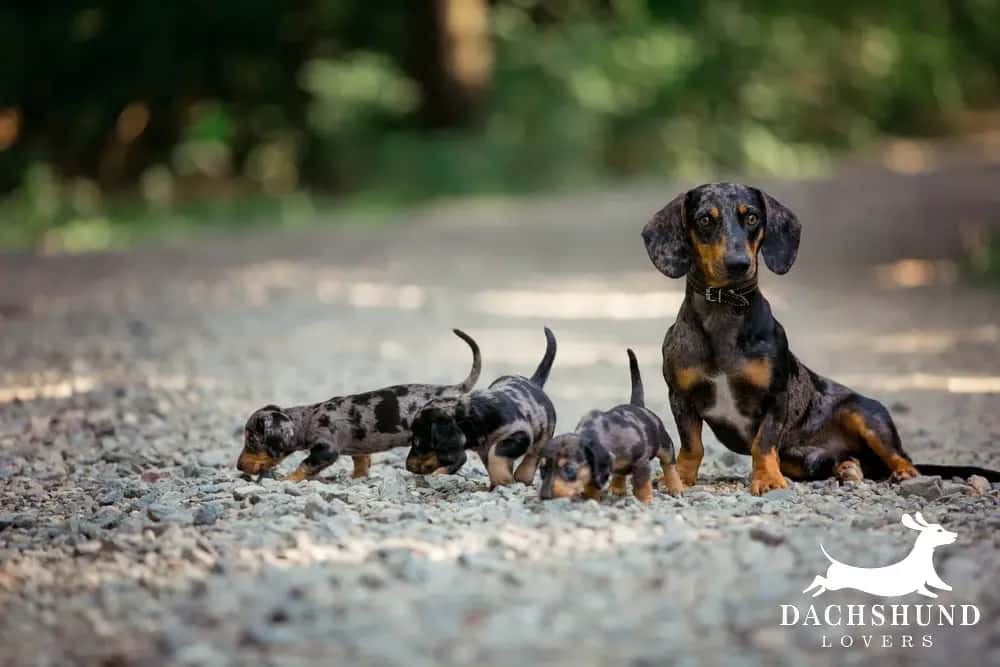
Dachshund puppies might have little legs, but they’re packed with energy. Providing the right balance of exercise and mental stimulation keeps them healthy, happy, and less likely to develop unwanted behaviours.
Finding the right amount of exercise
Young dachshunds don’t need — and shouldn’t have — long, high-impact walks. Over-exercising can put unnecessary strain on their developing joints and spine. A good rule of thumb for puppies is about five minutes of structured exercise per month of age, twice a day. For example, a four-month-old puppy could handle around 20 minutes of walking in the morning and again in the afternoon.
Mixing physical and mental activity
Exercise isn’t just about wearing them out physically. Dachshunds are scent hounds by nature, so nose work games, treat puzzles, and interactive toys can engage their mind. If you’re after inspiration, our mini dachshund puppies guide has extra ideas tailored to smaller frames and high curiosity levels.
Safe playtime at home
In the early months, much of your puppy’s exercise will happen in your home or backyard. Avoid letting them jump off couches, beds, or stairs, as repeated impact can increase the risk of back problems like IVDD. Instead, create safe play zones with soft flooring and low obstacles.
Social walks
Once your puppy is fully vaccinated, you can start short outings to new environments. Visits to quiet local parks or gentle strolls along Cronulla Esplanade can be great for both exercise and socialisation. These walks allow your puppy to experience different smells, sounds, and sights without overwhelming them.
Mental enrichment matters
A bored dachshund can quickly become a mischievous one. Food-dispensing toys, hide-and-seek games, or teaching them new tricks can satisfy their mental energy. Even short, focused training sessions count as enrichment and help deepen your bond.
Why moderation matters
The American Kennel Club warns against over-exercising dachshund puppies, noting that too much physical strain during growth can lead to lifelong orthopedic issues (AKC Dachshund Care Guide). A well-rounded routine of short walks, supervised play, and regular rest periods will keep them fit without risking injury.
Grooming & Health Care
Dachshund puppies might be small, but their grooming needs can vary greatly depending on coat type — smooth, long-haired, or wire-haired. Starting a grooming routine early not only keeps them looking their best but also helps them become comfortable with handling, which makes vet visits and home care much easier.
Coat care basics
Smooth-coated dachshunds are the easiest to maintain, usually only needing a weekly brush to remove loose hair. Long-haired dachshunds require more frequent brushing, ideally a few times a week, to prevent tangles and matting. Wire-haired varieties need regular brushing plus occasional hand-stripping or trimming to keep their coat in top condition. If you’re unsure which coat your puppy has, our long-haired dachshund puppies guide covers specific care tips.
Bathing
Puppies don’t need frequent baths — every few months or when they’re particularly dirty is enough. Use a gentle puppy shampoo to avoid drying out their skin. Always dry them thoroughly, especially between the toes and under the belly.
Nail trimming and ear care
Nails should be trimmed every 3–4 weeks to prevent overgrowth, which can cause discomfort or affect gait. Dachshunds, especially those with floppy ears, are prone to ear infections, so check and clean their ears weekly using a vet-approved cleaner.
Dental hygiene
Small breeds like dachshunds are prone to dental issues, so get your puppy used to teeth brushing early. Use a dog-specific toothbrush and toothpaste — never human toothpaste.
Preventive health care
Schedule regular vet check-ups for vaccinations, worming, flea and tick prevention, and overall health monitoring. In Australia, your local vet can guide you on parasite prevention tailored to your area. The RSPCA puppy care guide offers an excellent overview of preventive care essentials.
Harvey’s first groom
When Harvey was a puppy, we booked him in for a gentle introductory groom at a local salon in Gymea. They kept the session short — just a brush, a nail trim, and a treat at the end. It made future grooming trips stress-free, because he learned early that grooming meant attention, treats, and a quick return to his normal playtime.
Diet & Nutrition
Feeding your dachshund puppy well is one of the most important steps you can take to ensure they grow into a healthy adult. The right diet supports not only physical development but also cognitive growth, immune health, and energy levels.
Choosing the right food
A dachshund puppy’s diet should be high in quality protein, balanced fats, and essential vitamins and minerals. Look for foods specifically formulated for small-breed puppies, as these have the correct nutrient density and kibble size. Our full dachshund puppy diet guide breaks down the best commercial and homemade feeding options.
Feeding schedule
Most puppies thrive on three to four small meals a day until they are around six months old, after which you can reduce to two meals. This schedule prevents low blood sugar and helps with digestion. Set feeding times also make toilet training easier, as you can anticipate when your puppy will need to go outside.
Portion control
Overfeeding a dachshund puppy can lead to excess weight, which puts strain on their developing spine. Always follow the portion guidelines on your chosen food’s packaging, adjusting for activity level and your vet’s advice.
Hydration
Fresh, clean water should be available at all times. Puppies are active and can dehydrate quickly, so keep their water bowl topped up, especially in warmer weather.
Treats and training rewards
Treats are an important training tool but should be used in moderation. Choose small, low-calorie treats or use part of their daily kibble allowance. This keeps their calorie intake balanced while maintaining motivation during training.
Monitoring growth
Regularly weigh your puppy to ensure they’re growing at a steady rate. Your vet can provide a growth chart and help you spot early signs of underweight or overweight conditions. The VCA Animal Hospitals puppy feeding guide is an excellent resource for understanding growth and nutrition milestones.
Harvey’s food journey
When Harvey first came home, we experimented with a few premium puppy foods before settling on one that didn’t upset his stomach and kept his coat shiny. We paired it with occasional healthy treats, like small pieces of cooked chicken, during training — a combination that kept him eager to learn without piling on excess weight.
Sleep & Rest

Sleep is essential for a dachshund puppy’s growth and development. During rest, their bodies repair tissue, strengthen the immune system, and process new information from the day’s activities.
How much sleep do dachshund puppies need?
Most dachshund puppies will sleep between 18–20 hours a day, especially in the first few months. This includes both overnight sleep and daytime naps. If you’ve just brought home an 8-week-old dachshund, you can expect them to be awake only for short bursts before they need to rest again.
Creating a sleep-friendly environment
Your puppy’s sleeping area should be warm, quiet, and free from drafts. A crate or enclosed pen with a comfortable bed can provide a sense of security. Adding a soft blanket or a toy that smells like you can help them settle more easily.
Night-time routines
Establishing a consistent bedtime routine is one of the best ways to encourage good sleeping habits. This might include a final toilet break, a calm cuddle, and then placing them in their sleeping area. Avoid high-energy play right before bed, as this can make it harder for them to wind down.
Naps during the day
Puppies often play hard and then crash suddenly for a nap. It’s important to let them sleep when they choose rather than trying to keep them awake, as overtired puppies can become cranky and more difficult to train.
Adjusting to alone time
Helping your puppy learn to sleep without constant human contact is important for preventing separation anxiety. Start by leaving them in their sleeping area for short periods during the day, gradually increasing the time.
Harvey’s first nights
When Harvey came home, the first few nights were noisy — he wasn’t used to sleeping alone. We placed his crate in our bedroom so he could hear us nearby, then slowly moved it further away over the next few weeks. This gradual transition helped him feel safe and learn to self-soothe.
Why rest matters
According to the American Kennel Club’s puppy development guide, adequate sleep supports healthy brain development, memory formation, and emotional regulation. Puppies who get enough rest tend to be calmer, more focused, and easier to train.
Training Basics
Dachshund puppies are intelligent and eager to please, but they also have a famously independent streak. Starting training early will set the foundation for a well-behaved, confident adult dog.
Understanding temperament before training
Every puppy is unique, but knowing the typical dachshund puppies temperament will help you tailor your approach. Dachshunds can be quick learners when motivated, but they may lose interest if sessions are too long or repetitive.
House training
Toilet training should begin the moment your puppy comes home. Take them outside frequently, especially after meals, naps, and play sessions. Praise and reward them immediately after they go in the right spot. Consistency is key — and accidents are part of the process.
Basic obedience commands
Start with simple commands like “sit,” “stay,” and “come.” Keep training sessions short (5–10 minutes) and end on a positive note. Use positive reinforcement such as treats, toys, and praise to encourage the behaviour you want.
Leash training
Introduce the leash gradually, letting your puppy wear it around the house before taking them outside. Begin with short, positive walks so they associate the leash with fun and exploration.
Socialisation
Exposing your puppy to different environments, people, and other animals will help prevent behavioural issues later. This can include safe visits to friends’ homes, short trips to pet-friendly shops, and meeting calm, vaccinated dogs. Avoid dog parks until your puppy is fully vaccinated.
Patience and positivity
Dachshunds respond best to gentle but firm training methods. Harsh corrections can damage trust and make them fearful. Instead, focus on rewarding good behaviour and redirecting unwanted actions.
Harvey’s early training
Harvey’s favourite training reward was a small piece of cooked chicken. It kept his focus sharp, even during leash training near our local park in Cronulla. We learned quickly that keeping sessions short and upbeat made all the difference.
Expert tip
The American Veterinary Society of Animal Behavior recommends positive reinforcement as the most effective and humane way to train puppies, especially breeds with sensitive temperaments like dachshunds.
Puppy-Proofing Your Home
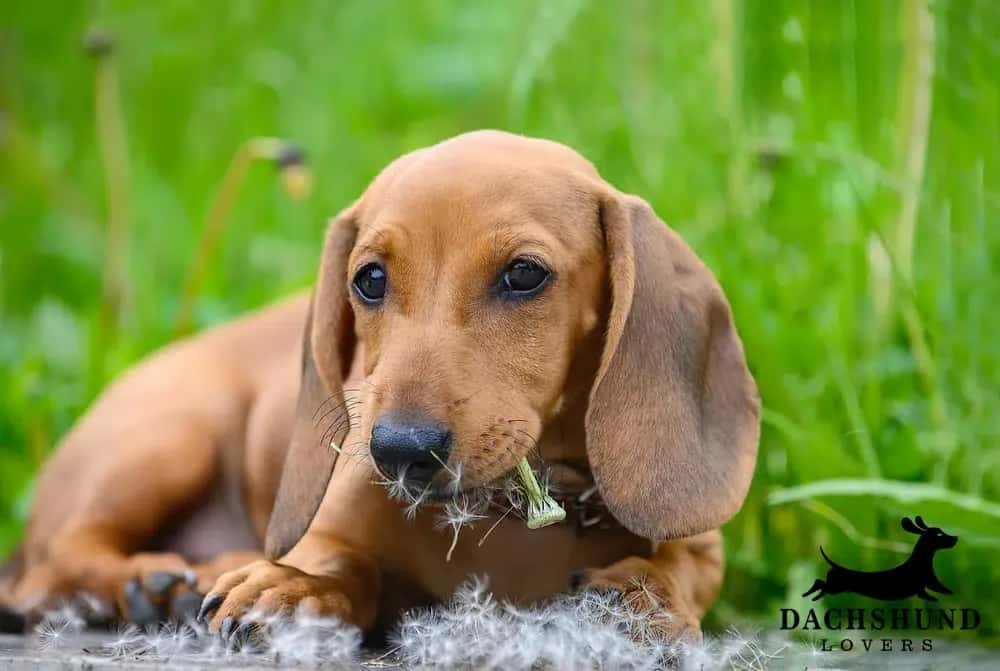
Bringing home a dachshund puppy is a little like welcoming a curious toddler — they’ll want to explore everything, and not all of it will be safe. Taking time to prepare your home will keep them out of trouble and prevent costly vet visits.
Securing small spaces
Dachshunds are long, low, and excellent at squeezing into tight spots. Block access to gaps under furniture, appliances, or fences where they could get stuck or escape. Baby gates can help section off areas that aren’t puppy-friendly.
Protecting their back
One of the most important considerations for dachshund owners is spinal health. Avoid letting your puppy jump on and off furniture, as this can strain their back. Ramps or pet steps are a great investment — especially if you’ve read our mini dachshund puppies guide, which explains how smaller frames are even more prone to injury.
Chew-proofing your space
Puppies explore the world with their mouths, so electrical cords, shoes, and children’s toys should be kept well out of reach. Bitter-tasting sprays can be used on furniture legs or other tempting surfaces to discourage chewing.
Household hazards
Be aware of toxic plants, cleaning products, and certain foods like chocolate, grapes, and onions. Store these securely and never leave them where your puppy can reach. The RSPCA’s list of poisonous plants and foods is a useful reference for Australian households.
Outdoor safety
If you have a backyard, check for gaps in fencing and remove sharp objects or toxic plants. Dachshunds are natural diggers, so secure the base of your fence to prevent escape attempts.
Harvey’s puppy days
When Harvey first arrived, we quickly realised his favourite game was pulling socks out of the laundry basket. We learned to keep doors closed and baskets off the floor — small changes that made a big difference.
Creating a safe haven
Setting up a designated “puppy zone” with their bed, toys, and water bowl helps them feel secure while limiting their access to the rest of the house. This space also comes in handy when you need to leave them unsupervised for short periods.
Vet Care & Vaccinations
Regular veterinary care is essential for keeping your dachshund puppy healthy from the start. Establishing a good relationship with your vet early on ensures your puppy gets the right preventive treatments and care for their unique needs.
Early vet visits
Your puppy’s first few vet appointments will likely be scheduled around their vaccination timetable. If you’ve brought home a very young puppy, like those in our 3-week-old dachshund puppies guide, your vet will assess their weight, growth, and overall health before beginning vaccines.
Vaccination schedule
Most puppies receive their core vaccines at 6–8 weeks, 10–12 weeks, and 14–16 weeks of age. These protect against parvovirus, distemper, and other serious illnesses. Your vet may also recommend additional vaccines depending on your location and lifestyle, such as protection against kennel cough.
Parasite prevention
Fleas, ticks, and worms can cause serious health issues, particularly in puppies. Your vet will advise on a parasite control plan, which may involve monthly preventatives. In NSW, paralysis ticks are a concern year-round, so prevention is crucial if you live near bushland or coastal areas.
Health checks
Routine check-ups allow your vet to monitor your puppy’s growth, dental development, and joint health. For dachshunds, early monitoring of back health is especially important, as they are prone to intervertebral disc disease (IVDD).
Microchipping and registration
In NSW, puppies must be microchipped by 12 weeks and registered with your local council. This ensures that if your dachshund ever becomes lost, they can be quickly identified and returned to you.
Harvey’s vet visits
Harvey was surprisingly calm during his first check-up — mostly because he was more interested in sniffing the vet’s pockets for treats. We scheduled all his appointments in advance so we could keep his care on track without gaps.
Expert reference
The American Veterinary Medical Association recommends creating a veterinary care plan that includes vaccines, parasite prevention, and early socialisation guidance to ensure a healthy start in life.
Common Mistakes to Avoid

Even with the best intentions, new dachshund puppy owners often fall into patterns that can cause problems later. Many of these come down to misunderstanding the breed’s needs — something I learned quickly with Harvey.
Overfeeding
It’s easy to show love with treats, but dachshunds gain weight fast. Extra kilos put strain on their backs and joints. Following a structured feeding plan, like the one in our dachshund puppy diet guide, keeps them healthy.
Skipping early socialisation
Some owners wait too long before introducing their puppy to new environments, people, and dogs. Socialisation windows close fast, and a cautious or fearful dachshund can develop lasting anxieties. Controlled, positive exposure is key.
Ignoring back safety
Jumping on and off furniture may look harmless, but repeated impact can lead to back problems. Harvey has ramps in the living room and bedroom — and we started training him to use them from day one.
Underestimating their intelligence
Dachshunds are smart, problem-solving dogs. Without mental stimulation, they’ll create their own entertainment — usually by digging, chewing, or barking. Rotate toys, use puzzle feeders, and build training into your daily routine.
Inconsistent training
Inconsistent rules lead to confusion. If the couch is off-limits, it has to be off-limits every time. Mixed signals cause frustration for both you and your dog.
Not vetting breeders or rescues
Impulse purchases or adoptions without research can result in unexpected health or behavioural issues. A reputable breeder or rescue will be transparent about health checks, parent history, and the puppy’s upbringing. The Australian National Kennel Council has resources to help you identify ethical breeders.
Neglecting ongoing vet care
Vaccinations, parasite prevention, and regular check-ups aren’t optional. Skipping them risks your puppy’s health and can lead to higher costs later.
Harvey taught us that most “mistakes” are just gaps in preparation. If you know the breed’s quirks — and you’re willing to work with them instead of against them — you’ll avoid most problems before they start.
Final Prep Before Bringing Your Puppy Home
The days before your dachshund puppy arrives can feel like a mix of excitement and last-minute panic. A little preparation now will make the first few weeks smoother for both you and your new pup.
Set up their space
Choose a quiet, draft-free area of your home where your puppy will feel safe. Include a comfortable bed, water bowl, and a few safe toys. This will become their “den” — a place they can retreat to when they’re tired or overwhelmed.
Gather essentials
Before Harvey came home, Caitlin and I had already stocked up on his food, collar, ID tag, lead, puppy pads, and a ramp for the couch. Having everything ready meant we could focus entirely on bonding, not last-minute shopping trips.
Plan the first week
If possible, clear your schedule so you can spend time helping your puppy adjust. This is especially important for dachshunds, who thrive on companionship and can develop separation anxiety if left alone too soon. For feeding advice, our dachshund puppy diet guide can help you get the right balance from day one.
Vet appointment
Book their first vet check-up in advance. If you’ve chosen your puppy from a breeder or rescue, ask for vaccination records and any health history so your vet has the full picture.
Puppy-proof your home
Revisit your safety measures — cords, toxic plants, and small objects should all be out of reach. Dachshunds are notorious for finding trouble in unexpected places.
Introduce the household
If you have other pets, plan introductions carefully and in a controlled setting. Give your puppy time to observe and adjust rather than forcing interaction.
Harvey’s first night
On Harvey’s first night, we kept his crate by our bed so he could hear us breathing. It helped him settle and reassured him that he wasn’t alone in his new environment.
Expert tip
The RSPCA recommends preparing a consistent routine from the start — feeding, playtime, and rest — so your puppy learns what to expect each day, building security and trust.
FAQs – Dachshund Puppies: What New Owners Need to Know
More from This Series
- Dachshund Puppies: What New Owners Need to Know
- Mini Dachshund Puppies
- Long-Haired Dachshund Puppies
- Dapple Dachshund Puppies
- Dachshund Puppies Temperament
- How Much to Feed a Dachshund Puppy
- 8-Week-Old Dachshund
- Puppy Names for Dachshunds
- Dachshund Puppy Diet
- 3-Week-Old Dachshund Puppies
Authored by
James
James is the founder of Dachshund Lovers and the proud human of Harvey, a mini dapple with a big personality. He writes to empower and connect the dachshund community, blending founder insights with honest, experience-based stories about life with this incredible and special breed. James brings candid, experience-backed opinions to the community and always focused on fewer, better products and ideas that genuinely improve life for dachshunds and their people.
Read moreJames is the founder of Dachshund Lovers and the proud human of Harvey, a mini dapple with a big personality. He writes to empower and connect the dachshund community, blending founder insights with honest, experience-based stories about life with this incredible and special breed. James brings candid, experience-backed opinions to the community and always focused on fewer, better products and ideas that genuinely improve life for dachshunds and their people.
Read more
Disclaimer
This content is for informational purposes only and should not be considered veterinary advice. Always consult with a licensed veterinarian regarding your dog’s health and wellbeing.
There are no comments yet
Leave a comment