Famous Dachshunds in Pop Culture and History
Famous Dachshunds in Pop Culture and History
Wondering who the most famous dachshund is? From Lump to Crusoe, here are the doxies who turned heads and sometimes history.

James
Posted on September 7, 2025.
Updated on July 19, 2026.
Table of Contents
- •Dachshunds in Movies and Music
- •Social Media and Memes
- •Why Dachshunds Continue to Resonate
- 1.Key Takeaways: Famous Dachshunds
- 2.Royal and Historic Dachshunds
- •Dachshunds in Wartime
- •Artistic Dachshunds
- 3.Dachshunds in Hollywood and Music
- •Classic Film Roles and On-Screen Appeal
- •Slinky Dog: Pixar’s Star Dachshund
- •Red Carpet Companions
- •Music Industry Connections
- •Dachshunds in Music Videos
- •Fashion and Editorial Presence
- •Social Media’s Role in Dachshund Fame
- •Why Dachshunds Steal the Spotlight
- 4.Artistic Dachshunds: From Picasso to Warhol
- •Picasso and Lump: A Dachshund as a Muse
- •Andy Warhol and Archie: Pop Art Meets Pup Personality
- •Dachshunds in Sculpture and Design
- •Contemporary Artists and Dachshund Motifs
- •The Legacy of Lump and Archie
- 5.Mid-Century Advertising Icons and Editorial Presence
- •Volkswagen and the Sausage Dog Connection
- •Miller Beer: Lifestyle and Laughter
- •RCA and the Listening Dog
- •Dachshunds in Fashion Editorials
- •The American Middle Class and Dachshund Ads
- •TV Commercials: Bringing Dachshunds to Life
- •Design and Branding Influence
- •Why Brands Loved Dachshunds
- •Modern Revivals of Mid-Century Dachshund Ads
- 6.Social Media Stars and the Digital Age
- •Crusoe the Celebrity Dachshund
- •Instagram Influencers: Mildred and Louis
- •TikTok: Viral Zoomies and Relatable Comedy
- •Dachshunds as Brand Ambassadors
- •The Meme Factor
- •Why Dachshunds Dominate Online
- •The Rise of Niche Dachshund Communities
- •The Future of Digital Dachshunds
- -More from This Series
- -Disclaimer
Share

Few breeds have a cultural footprint as large as the dachshund. With their instantly recognizable silhouette — long back, short legs, and proud chest — these little hounds have transcended the role of “family pet” to become symbols of style, wit, and individuality. From royal courts in the 19th century to Instagram’s most-followed pets, dachshunds have consistently found ways to remain relevant.
Their journey into the spotlight began with Queen Victoria, who famously adored dachshunds. Her affection elevated the breed’s reputation from German hunting dogs to companion animals celebrated by aristocrats and the middle class. The Kennel Club UK notes:
“Dachshunds rose to prominence as a companion dog during Queen Victoria’s reign, who was especially fond of the breed.”
— The Kennel Club UK
That royal endorsement laid the groundwork for the breed’s status as a cultural icon — a reputation that only grew through the 20th century.
From Mid-Century Ads to Modern Brand Campaigns
Dachshunds became favorites of the advertising world during the 1950s and 60s. Brands like Volkswagen, Miller Beer, and RCA used dachshunds to convey humor, sophistication, and relatability. Their quirky shape made them stand out in print ads and television spots, and their loyal expressions resonated with audiences.
Fast forward to today, and the trend hasn’t slowed. Dachshunds appear in fashion campaigns, pet lifestyle brands, and TikTok collaborations. For example, Crusoe the Celebrity Dachshund, a social media star with over 4 million followers, has partnered with major brands like PetSmart and Subaru. His costumed adventures, from superhero outfits to chef aprons, have made him one of the internet’s most recognizable dogs.
Dachshunds in Movies and Music
Hollywood has kept dachshunds firmly in pop culture, with appearances ranging from classics like The Ugly Dachshund (1966) to Pixar’s Toy Story (Slinky Dog remains a fan favorite). In music videos and on stage, stars like Adele and Dua Lipa have featured dachshunds, leaning into their mix of quirkiness and charm.
David Bowie’s own dachshund, Archduke Ferdinand, was often photographed alongside the musician in the 70s, becoming part of his visual aesthetic. Similarly, Adele’s 2015 campaign shoot with a dachshund named Louie for Rolling Stone remains one of the magazine’s most-shared covers.
Dachshunds have truly thrived in the age of social media. While hashtags like #DachshundLife and #SausageDog pull millions of views every week. Their expressive faces, dramatic “zoomies,” and stubborn streaks translate perfectly into shareable content.
Beyond influencers, dachshunds have also inspired memes, animated GIFs, and even fashion trends. Their likeness has been featured on everything from Gucci pet accessories to IKEA homeware collaborations.
Why Dachshunds Continue to Resonate
The breed’s enduring appeal comes down to more than just looks. Dachshunds are packed with personality — fearless, curious, and often hilariously stubborn. They embody a kind of confidence and individuality that naturally draws attention, whether they’re walking the red carpet, starring in an ad campaign, or simply showing up as the “main character” in viral pet videos.
This article will explore the most famous dachshunds in history and pop culture, from royal pets to artistic muses and social media sensations. Along the way, we’ll see why this breed continues to steal the spotlight across generations.
Key Takeaways: Famous Dachshunds
Topic | Key Insight |
|---|---|
Historic Roots | Queen Victoria’s love for dachshunds made them cultural icons. |
Mid-Century Ads | Brands like RCA and Volkswagen used dachshunds for mass appeal. |
Artistic Icons | Picasso’s “Lump” and Warhol’s “Archie” are legendary dachshunds. |
Hollywood & Music | Celebrities from Bowie to Adele have kept the breed in the spotlight. |
Social Media Stars | Crusoe the Celebrity Dachshund has over 4M followers across platforms. |
Royal and Historic Dachshunds
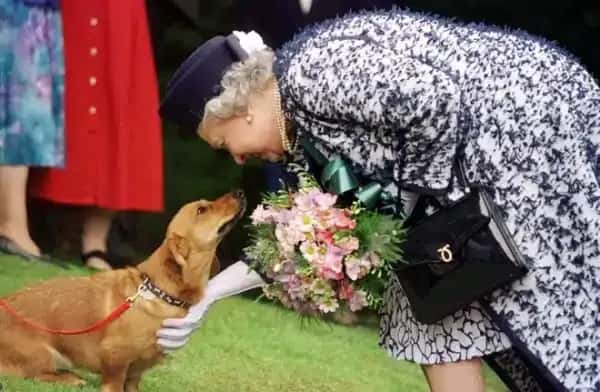
The dachshund’s first leap into cultural fame began in the royal courts of 19th-century Britain. Queen Victoria’s love for the breed not only made them fashionable companions but also set the tone for their cultural significance for generations to come. Her dachshunds, such as the smooth-coated Waldman IV, were often seen at Windsor Castle and Balmoral, adding a touch of German practicality to British elegance.
Victoria’s affection for dachshunds coincided with their transition from hunting dogs to household pets. This royal endorsement reshaped the public perception of the breed — from rugged, utilitarian hunters to symbols of loyalty, charm, and refinement.
“Dachshunds rose to prominence as a companion dog during Queen Victoria’s reign, who was especially fond of the breed.”
— The Kennel Club UK
This influence wasn’t just confined to Britain. Other European aristocrats followed Victoria’s lead, making dachshunds one of the most sought-after companion dogs of the late 19th and early 20th centuries. Their popularity soon crossed the Atlantic, with dachshunds becoming staples in the homes of wealthy Americans.
Dachshunds in Wartime
The 20th century wasn’t always kind to the breed. During World War I and World War II, dachshunds faced backlash due to their German heritage. In both the U.S. and U.K., owners sometimes faced harassment for walking their dogs in public. Dachshunds were even temporarily rebranded as “liberty hounds” in an effort to distance them from anti-German sentiment.
Despite these challenges, the breed’s popularity quickly rebounded after both wars. Soldiers returning from Europe brought home dachshunds as family pets, and their loyal, affectionate nature helped restore their reputation. (We cover this turbulent chapter in detail in Dachshunds in Wartime: A Complex History.)
Artistic Dachshunds
Few breeds have inspired as much creative attention as the dachshund. Pablo Picasso’s dachshund, Lump, is perhaps one of the most famous in history. Lump was said to have inspired several of Picasso’s works, including reimaginings of Las Meninas where the dog’s elongated shape mirrored the artist’s minimalist style.
Andy Warhol, known for his fascination with modern pop culture, often featured his dachshund, Archie, alongside him in interviews and photo shoots. Archie wasn’t just a pet — he was a symbol of Warhol’s eccentric personality and creative world.
These artistic associations cemented the dachshund’s reputation as a muse for innovators and creators. Their quirky shape and expressive personalities made them ideal for artists looking to capture individuality.
Dachshunds in Hollywood and Music
The dachshund has a unique ability to command attention in any setting, whether it’s strutting down a red carpet or starring in a blockbuster film. Their iconic silhouette — that long back, short legs, and proud stance — makes them immediately recognizable, while their quirky personalities make them natural scene-stealers. From Disney classics to rock ’n’ roll icons, dachshunds have become fixtures in Hollywood and music history, often symbolizing both individuality and charm.
Classic Film Roles and On-Screen Appeal
One of the most notable early film appearances of the breed was in Disney’s The Ugly Dachshund (1966), a family comedy that humorously contrasted a pack of sassy dachshunds with a clumsy Great Dane. The movie played up the breed’s comedic and confident traits, showcasing what dachshund owners have always known: these little dogs have enormous personalities
Over the decades, dachshunds have continued to appear in both film and television. They’ve featured in Auntie Mame (1958), where their presence lent a playful energy to the film’s high-society setting, and in modern animated classics like Open Season 2 (2008). In children’s programming, the dachshund character Weenie from the series Oswald (2001) remains a standout example of how the breed’s friendly demeanor translates seamlessly to animation.
Slinky Dog: Pixar’s Star Dachshund
In the late 1990s, the breed received a modern cultural boost with the debut of Slinky Dog in Pixar’s Toy Story franchise. Voiced by Jim Varney and later Blake Clark, Slinky quickly became a fan favorite for his humor, loyalty, and clever design — a perfect blend of a dachshund’s signature long body and the childlike wonder of a slinky toy.
Slinky Dog’s success led to a range of merchandise, from plush toys to amusement park rides at Toy Story Land, solidifying his place as one of the most recognizable animated dog characters of all time.
Red Carpet Companions
Off-screen, dachshunds have long been a favorite companion of Hollywood’s elite. Audrey Hepburn was known for her dachshund, Famous, who often accompanied her to sets and events. Hepburn’s effortless style and grace perfectly matched the dachshund’s poised demeanor, making Famous almost as recognizable as the actress herself.
David Bowie famously had a dachshund named Archduke Ferdinand, who frequently appeared in photo shoots with him during the 1970s. These images, blending Bowie’s avant-garde style with the dachshund’s bold yet understated presence, became iconic symbols of the artist’s personality.
Brigitte Bardot and Clint Eastwood are also among the many celebrities who have been photographed with dachshunds over the years. Their preference for this breed underscores its reputation as a dog of character and charm.
Music Industry Connections
The music scene has had its fair share of dachshund appearances. Adele’s Rolling Stone cover in 2015, featuring her with a dachshund named Louie, became one of the magazine’s most viral covers. The pairing of Adele’s soulful presence with Louie’s calm yet cheeky expression captured the hearts of fans and reaffirmed the dachshund’s timeless appeal.
Pop star Dua Lipa has also incorporated dachshunds into her creative projects, from behind-the-scenes videos to editorial shoots. Their quirky yet stylish personalities complement her bold and fashion-forward aesthetic.
Dachshunds in Music Videos
Dachshunds often appear in music videos, adding playful energy or ironic humor to the visuals. Their unique shape and expressiveness make them ideal for storytelling, particularly in indie and pop culture visuals where personality-driven content resonates most.
Fashion and Editorial Presence
High fashion has also embraced the dachshund. Luxury brands like Gucci have featured dachshunds in pet accessory campaigns, leaning into their blend of elegance and individuality. Similarly, Prada has used the breed in editorial content that emphasizes quirky sophistication — a quality the dachshund embodies effortlessly.
The digital era has amplified the dachshund’s cultural relevance like never before. Crusoe the Celebrity Dachshund, arguably the most famous dachshund of the 21st century, boasts over 4 million followers across platforms. His viral content — from dressing up as hockey players to starring in skits — has garnered hundreds of millions of views. One of Crusoe’s videos, featuring him playing hockey in costume, received over 19 million views (Time Magazine).
Crusoe has even expanded beyond social media into published books, including the New York Times bestselling The Adventures of Crusoe the Celebrity Dachshund. His partnerships with brands like PetSmart and Subaru show how dachshunds can seamlessly merge with modern brand storytelling.
Why Dachshunds Steal the Spotlight
So, what makes dachshunds such magnetic figures in entertainment and music?
- Distinct Visual Appeal: Their long backs, short legs, and expressive eyes make them instantly recognizable.
- Big Personalities: Whether on-screen or in candid celebrity photos, dachshunds bring a mix of confidence and humor that resonates with audiences.
- Versatile Roles: From animated heroes like Slinky Dog to real-life companions for stars like Hepburn and Bowie, they adapt perfectly to both fictional and real-world settings.
Their ongoing popularity in films, magazines, and social media shows that this isn’t just a passing trend. Dachshunds continue to embody timeless charm, connecting generations through their humor, boldness, and unique look.
Artistic Dachshunds: From Picasso to Warhol
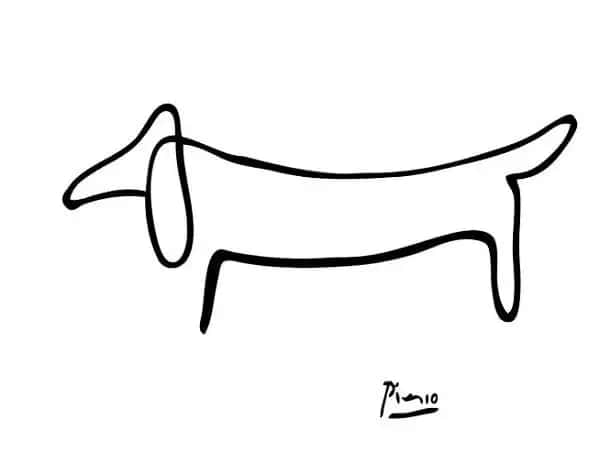
Dachshunds have not only made their mark on film and music but have also played a significant role in the world of art and culture. Their distinctive shape and spirited character have captured the attention of some of the greatest creative minds of the 20th century. Artists like Pablo Picasso and Andy Warhol didn’t just own dachshunds — they immortalized them in their work, turning these little hounds into muses of modern art.
Picasso and Lump: A Dachshund as a Muse
Pablo Picasso’s dachshund, Lump, is arguably one of the most famous dogs in art history. Lump (the German word for “rascal”) wasn’t just a pet — he was a muse. When Picasso met Lump in 1957, the connection was instant. Lump belonged to the photographer David Douglas Duncan, who brought the dog to Picasso’s villa in the South of France. Picasso fell in love with Lump’s character and charisma, and Duncan later left the dachshund with the artist permanently.
Lump’s influence on Picasso’s work is undeniable. He famously appeared in 15 of Picasso’s reinterpretations of Diego Velázquez’s Las Meninas, where the dog’s sleek, elongated form blended effortlessly with Picasso’s abstract style. Duncan’s book, Picasso & Lump: A Dachshund’s Odyssey, documents this unique relationship, with photographs capturing the bond between artist and dog.
Picasso himself once remarked:
“Lump, he’s not a dog… he’s not a little man… he’s someone else.”
This statement perfectly captures the way dachshunds, with their strong personalities, often transcend the typical pet-owner relationship.
Andy Warhol and Archie: Pop Art Meets Pup Personality
If Picasso’s Lump was a serene muse, Andy Warhol’s dachshund, Archie, was his inseparable sidekick. Warhol, a pioneer of the pop art movement, was rarely seen without Archie by his side during the 1970s. Whether at gallery openings, interviews, or out in New York’s bustling streets, Archie was part of Warhol’s persona.
Archie wasn’t just a quiet observer; he was a conversation starter. Warhol often used Archie to deflect personal questions during interviews, directing journalists to ask Archie instead. This playful dynamic blurred the lines between Warhol’s private life and public image — something that dachshund owners, who know their dogs’ stubborn independence, can certainly appreciate.
Archie even appeared alongside Warhol in publicity photographs and video interviews, becoming a visual extension of the artist’s quirky, offbeat brand. Warhol once said,
“I never met a pet I didn’t like. But dachshunds — they’re different. They’re like little people, with attitudes.”
This observation sums up why creative minds are so often drawn to the breed.
Dachshunds in Sculpture and Design
Beyond painting and photography, the dachshund’s unique form has also influenced sculpture and product design. Renowned industrial designer Raymond Loewy, known as the “Father of Industrial Design,” featured dachshund-inspired motifs in his sketches and personal memorabilia. Their clean lines and geometric form made them a natural fit for mid-century modern aesthetics.
Additionally, ceramic and bronze dachshund figurines became popular during the 1950s and 60s, appearing in homes as both decorative pieces and cultural status symbols. These design trends coincided with the breed’s rising popularity in advertising campaigns (see the previous section on Mid-Century Ads).
Contemporary Artists and Dachshund Motifs
In recent years, contemporary artists have continued to draw inspiration from dachshunds. British artist Lucian Freud, famous for his intense, lifelike portraits, owned a dachshund named Pluto, who occasionally appeared in his paintings. Similarly, modern illustrators and digital artists often incorporate the breed’s playful yet iconic form into prints, posters, and Instagram artwork.
The rise of platforms like Etsy and Pinterest has also helped dachshund-themed art flourish. From minimalist line drawings to abstract pop prints, the dachshund has become a design icon in its own right.
Why Artists Love Dachshunds
There’s something inherently artistic about dachshunds. Their elongated shape naturally lends itself to stylized interpretations, while their quirky, bold personalities make them ideal muses. Just as Picasso saw Lump as “someone else,” artists and designers view dachshunds as symbols of individuality and creativity.
Their ability to sit between elegance and humor makes them visually appealing for any medium — whether as subjects in classic oil paintings or as modern pop art icons. Few breeds have the same combination of visual distinctiveness and personality depth.
The Legacy of Lump and Archie
The stories of Lump and Archie aren’t just tales of pets — they’re cultural markers. They show how dachshunds have influenced not only their owners but also entire artistic movements. Lump’s serene presence contributed to Picasso’s playful late-period works, while Archie’s mischievous personality perfectly matched Warhol’s ironic take on fame and celebrity culture.
Even today, exhibitions and retrospectives dedicated to Picasso or Warhol often feature mentions of their dachshunds, recognizing the role these little dogs played in shaping some of the 20th century’s most iconic art.
Mid-Century Advertising Icons and Editorial Presence
By the 1950s and 60s, dachshunds had become advertising gold. Their unusual, instantly recognizable silhouette and cheeky charm made them ideal for mid-century campaigns. Brands capitalized on the breed’s playful yet practical character, turning the dachshund into a symbol of modern living, reliability, and a dash of humor.
Volkswagen and the Sausage Dog Connection
The relationship between Volkswagen and the dachshund is one of the most famous examples of smart branding from this era. The compact, rounded design of the Volkswagen Beetle earned it the nickname “sausage car” — a natural extension of the dachshund’s affectionate nickname, “sausage dog.” This connection was used in clever advertising campaigns that are still celebrated today.
The iconic 1960s Volkswagen ad campaign, created by Doyle Dane Bernbach (DDB), featured minimalist black-and-white images and humorous copy. While many ads focused on the car’s unconventional design, some leaned on playful visual comparisons with dachshunds to highlight the Beetle’s quirky appeal. The 50th anniversary of Volkswagen’s “It’s ugly, but it gets you there” slogan highlights how this ad style became legendary in the advertising world.
Miller Beer: Lifestyle and Laughter
Another classic example of dachshunds in mid-century marketing comes from Miller Beer. Print and TV ads from the 1960s often featured dachshunds lounging in social scenes — backyards, bars, and BBQs — where they symbolized casual camaraderie and a touch of humor. These ads positioned Miller as a brand that was relatable and easygoing, much like the dachshund itself.
Vintage collectors still share and trade original Miller High Life ads featuring dachshunds, which have become nostalgic artifacts of the post-war era.
RCA and the Listening Dog
While RCA’s “His Master’s Voice” logo famously featured a fox terrier, the dachshund found its own place in RCA’s mid-century print campaigns for record players and radios. Ads used dachshunds’ alert posture and curious nature to symbolize attentiveness and trust. One well-known 1960s RCA ad, now archived on vintage advertising sites, depicted a dachshund listening intently to a turntable, reinforcing RCA’s message of sound fidelity and reliability.
Dachshunds in Fashion Editorials
During the 1950s and 60s, dachshunds weren’t just mascots for consumer goods — they were fashion accessories in their own right. Editorial shoots for Vogue and Harper’s Bazaar often featured models holding or walking dachshunds, reinforcing the breed’s connection to elegance and cosmopolitan style.
One of the most famous examples is Brigitte Bardot, who posed with her dachshund in multiple photoshoots during her 1960s career peak. These editorial images, blending French glamour with the dachshund’s bold character, became iconic representations of mid-century European chic.
The American Middle Class and Dachshund Ads
Post-war America saw a boom in middle-class consumerism, and dachshunds often appeared in ads targeting this demographic. Their compact size and friendly demeanor made them the perfect visual companion for home appliances, family cars, and even insurance products.
Television ads from the era frequently showed dachshunds racing around family living rooms, representing energy, loyalty, and a touch of fun.
TV Commercials: Bringing Dachshunds to Life
The rise of television advertising gave dachshunds even more visibility. Vintage car commercials from the 1960s often included a dachshund as a visual punchline — for instance, comparing the compact shape of a Beetle with a running dachshund.
Even beyond automotive advertising, dachshunds appeared in commercials for cleaning products, furniture, and beer brands like Miller. Their expressive eyes and comedic movements made them ideal for the TV age, which favored quick, relatable visual storytelling.
Design and Branding Influence
The dachshund’s elongated form even influenced product design. From dachshund-shaped lamps to decorative figurines, the breed’s form was stylized and celebrated in mid-century modern décor. For example, Kay Bojesen’s wooden dachshund figurine, designed in 1934, remains an iconic piece of Scandinavian design that’s still sold today.
Why Brands Loved Dachshunds
Brands used dachshunds in this era for a few simple reasons:
- Instant recognition: Their shape is impossible to mistake.
- Playfulness: Dachshunds add a sense of humor and approachability to any campaign.
- Trust and loyalty: These qualities naturally aligned with products like cars, beer, and electronics.
Advertising experts from the time noted that dachshunds were part of a broader trend of using “character-driven animals” to humanize products. This technique — often called “soft branding” — helped companies create emotional connections with consumers.
Modern Revivals of Mid-Century Dachshund Ads
Even decades later, brands like Volkswagen have leaned back into this heritage. Volkswagen’s 2013 ad campaign featured a dachshund chasing the new Beetle, a nostalgic callback to its 1960s “sausage dog” identity. Similarly, Miller and other lifestyle brands have revisited retro dachshund imagery for modern audiences seeking vintage charm.
The rise of social media has given dachshunds a new platform to shine — and they’ve seized it with characteristic flair. Platforms like Instagram, TikTok, and YouTube have transformed dachshunds from beloved pets into digital celebrities, brand ambassadors, and viral content creators. Their expressive faces, hilarious stubbornness, and playful energy translate effortlessly to short-form video and curated photography.
Crusoe the Celebrity Dachshund
No modern dachshund is more famous than Crusoe the Celebrity Dachshund. With over 4 million followers across Instagram,Youtube, Facebook, and TikTok, Crusoe has become a household name in the world of pet influencers. Known for his elaborate costumes — from halloween outfits to chef ensembles — Crusoe has an uncanny ability to charm viewers with a blend of humor and creativity.
Crusoe’s achievements include:
- Two New York Times bestselling books: The Adventures of Crusoe the Celebrity Dachshund and Crusoe, the Worldly Wiener Dog.
- Viral videos, including a hockey-playing clip that earned over 19 million views (Time Magazine).
- Brand partnerships with PetSmart, Subaru, and major pet food companies.
Crusoe’s success reflects a broader trend of pet influencers as marketing powerhouses, with brands increasingly partnering with social media pets to reach younger, pet-loving audiences.
Instagram Influencers: Mildred and Louis
Crusoe isn’t alone. Dachshunds like Tank & Bear and harlow and sage have built large followings on Instagram. These accounts showcase the breed’s daily adventures, stylish
Dachshunds are made for TikTok. Their over-the-top reactions, vocal sassiness, and zooming energy have inspired countless viral trends. Videos tagged with #DachshundLife and #SausageDog collectively rack up millions of views per week.
Some viral dachshund moments include:
- Dachshunds stubbornly refusing to go on walks (or refusing to go home).
- Funny costumes during Halloween challenges.
- “Mini vlogs” of daily life, highlighting how tiny but demanding the breed can be.
TikTok’s fast-paced, comedic environment has given rise to stars like franklin and milo and the hush pup, whose videos often feature witty voiceovers and trending sounds.
YouTube Channels and Long-Form Content
For fans who prefer longer videos, YouTube is home to channels like Crusoe the Celebrity Dachshund, where full episodes of his “adventures” are produced with cinematic quality. These videos — often featuring Crusoe’s family of dachshunds in playful storylines — attract millions of views and show the breed’s ability to carry engaging, long-form narratives.
Dachshunds as Brand Ambassadors
Brands have recognized the marketing value of dachshund influencers. Collaborations range from pet apparel brands like Wild One to global lifestyle companies like IKEA, which has used dachshund-inspired designs for pet furniture lines. Dachshunds’ versatile appeal — equally suited to humor, fashion, and lifestyle — makes them a favorite choice for sponsored campaigns.
Gucci’s 2022 pet collection, for example, featured stylized dachshunds in campaign imagery, playing into their reputation for quirky elegance. Similarly, Subaru’s “Dog Tested. Dog Approved.” commercials highlighted Crusoe and other influencer dogs, positioning them as trusted co-pilots for adventurous lifestyles.
The Meme Factor
Dachshunds are also the subject of countless internet memes. Their “big dog in a small body” energy, combined with their comically determined faces, has made them a favorite for meme creators. Popular captions include themes like, “When you think you’re in charge,” or, “Me walking into the kitchen at 2 AM like…” — always paired with a stubborn dachshund strut.
GIFs of dachshunds — from happy zoomies to dramatic barking — are now staples in messaging apps and meme culture.
Why Dachshunds Dominate Online
What makes dachshunds so successful in the digital age?
- Distinct Aesthetic: Their silhouette is visually striking and recognizable in a crowded feed.
- Expressive Personality: Dachshunds have facial expressions that convey humor, drama, and emotion better than many other breeds.
- Relatability: Owners see their quirks as reflections of human traits — stubbornness, curiosity, determination — making them perfect for relatable, comedic content.
The Rise of Niche Dachshund Communities
Platforms like Reddit’s r/dachshund and private Facebook dachshund groups have further cemented the breed’s presence online. These communities share everything from health tips to viral compilations of dachshund “fails,” helping owners and fans connect over the breed’s unique challenges and joys.
The Future of Digital Dachshunds
With the ongoing growth of pet influencer marketing, dachshunds are likely to remain at the forefront. The breed’s combination of visual appeal, strong personality, and cultural history makes it a natural fit for the ever-evolving landscape of social media content.
FAQs About Famous Dachshunds in Pop Culture
More from This Series
Continue exploring the Dachshund History & Origin Content Cluster:
- Where Do Dachshunds Come From? Unpacking Their German Origins
- Queen Victoria’s Role in Making Dachshunds Famous
- Dachshunds in Wartime: A Complex History
- The Evolution of Dachshund Breeding Standards Over the Centuries
- Dachshunds in Art and Literature: From Muse to Icon
- 10 Surprising Historical Facts About Dachshunds
Authored by
James
James is the founder of Dachshund Lovers and the proud human of Harvey, a mini dapple with a big personality. He writes to empower and connect the dachshund community, blending founder insights with honest, experience-based stories about life with this incredible and special breed. James brings candid, experience-backed opinions to the community and always focused on fewer, better products and ideas that genuinely improve life for dachshunds and their people.
Read moreJames is the founder of Dachshund Lovers and the proud human of Harvey, a mini dapple with a big personality. He writes to empower and connect the dachshund community, blending founder insights with honest, experience-based stories about life with this incredible and special breed. James brings candid, experience-backed opinions to the community and always focused on fewer, better products and ideas that genuinely improve life for dachshunds and their people.
Read moreDisclaimer
This content is for informational purposes only and should not be considered veterinary advice. Always consult with a licensed veterinarian regarding your dog’s health and wellbeing.
There are no comments yet
Leave a comment