All About the Chocolate Dapple Long-Haired Dachshund (Full Guide)
All About the Chocolate Dapple Long-Haired Dachshund (Full Guide)
Learn what makes the chocolate dapple long-haired dachshund so special—from coat care to common quirks.

Ellie
Posted on July 21, 2025.
Updated on July 20, 2026.
Table of Contents
- 1.Key Takeaways on Chocolate Dapple Long Haired Dachshund
- 2.What Is a Chocolate Dapple Long-Haired Dachshund?
- 3.Temperament: More Than Just a Pretty Face
- 4.Grooming: Yes, You’ll Need a Brush (and a Lint Roller)
- 5.Common Health Considerations
- •1. IVDD (Intervertebral Disc Disease)
- •2. Double Dapple Risks
- •3. Ear Infections
- •4. Dental Problems
- •5. Obesity
- 6.Mini or Standard?
- •Miniature Chocolate Dapple Long-Haired Dachshund
- •Standard Chocolate Dapple Long-Haired Dachshund
- •Choosing Between the Two
- 7.Puppyhood: What to Expect
- •Their Coats Will Change
- •They’re Curious, Clever, and a Bit Clumsy
- •Chew Everything, Love Deeply
- •Prepare for Attention (Lots of It)
- 8.Training Tips for This Type
- •Positive Reinforcement Is Everything
- •Crate Training Builds Security
- •Socialization Can’t Wait
- •Leash Manners Take Time
- •Protect the Back with “No Jump” Rules
- 9.Where to Find One
- •Start with Ethical Breeders (Yes, They Still Exist)
Share

The first chocolate dapple long-haired dachshund I ever saw was trailing behind its human on a crisp morning walk through Reid Park in Mosman . His name was Bruno, and his coat shimmered like sun-dappled cocoa velvet. I actually gasped—loudly. His ears were feathered, his tail swayed like a paintbrush, and people were stopping mid-stride to take a second look.
If you’re wondering what makes this particular variety of dachshund so special, you’re not alone. Long-haired, chocolate-colored, and dappled? It’s the triple-threat of dachshund beauty. In this guide, I’ll walk you through what sets the chocolate dapple long-haired dachshund apart—from grooming and temperament to health and finding a reputable breeder.
Key Takeaways on Chocolate Dapple Long Haired Dachshund
Feature | Details |
|---|---|
Coat | Long, silky, flowing. Needs regular brushing and occasional trimming. |
Color | Brown base with dapple (marbled) light spots in cream or fawn. Often with expressive eyes. |
Size | Can be standard or miniature. Miniature weighs under 11 lbs. |
Temperament | Loyal, occasionally dramatic, affectionate, and intelligent. |
Ideal For | People with time for grooming and a love for bold little personalities. |
What Is a Chocolate Dapple Long-Haired Dachshund?
To put it simply, this isn’t just a dachshund. It’s the dachshund. The chocolate dapple long-haired variety brings together three standout features into one very charming (and occasionally high-maintenance) package:
- Chocolate refers to the rich, warm brown base coat—think deep milk chocolate, often with red undertones in sunlight.
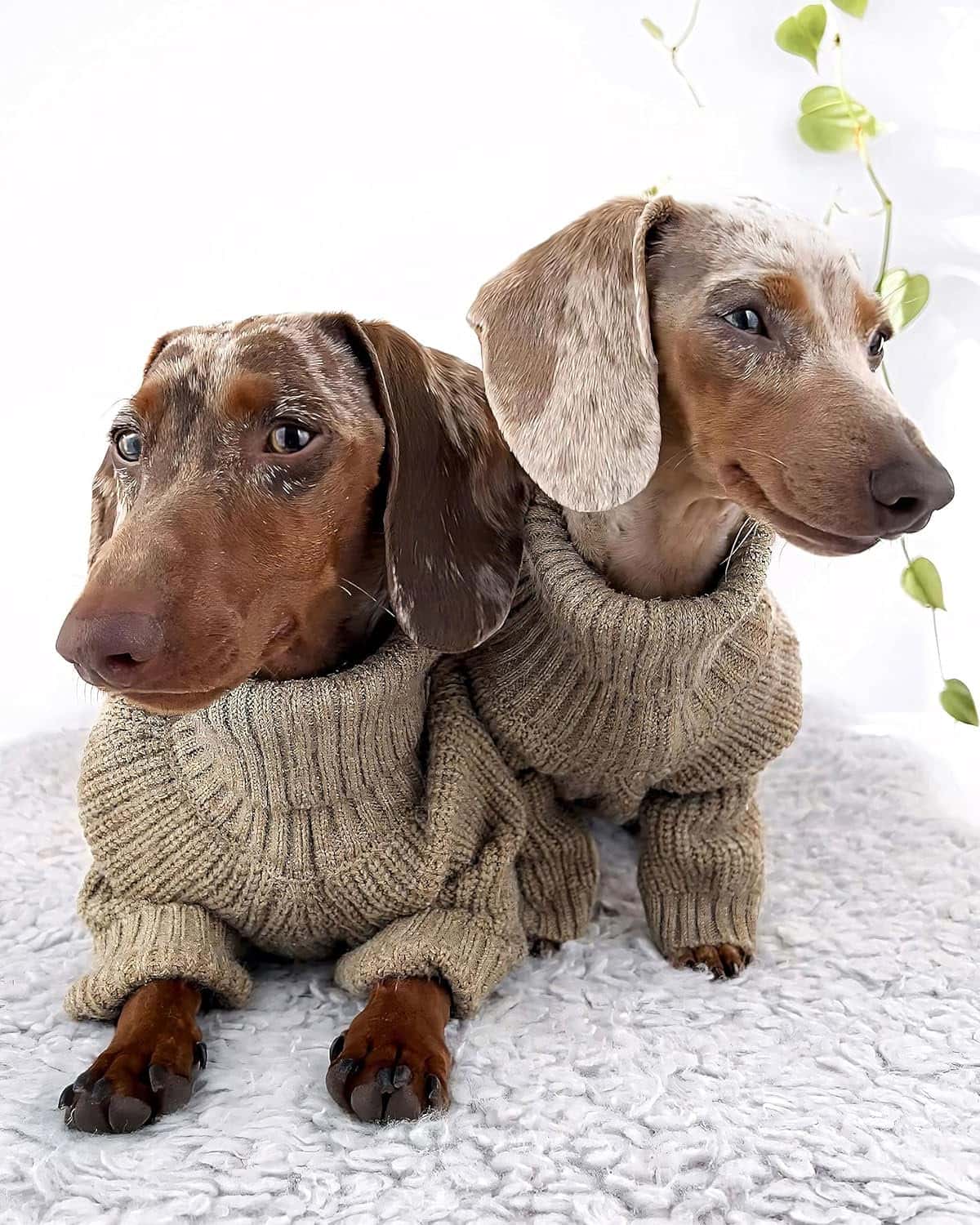
- Dapple is the whimsical marbled pattern caused by the merle gene. These lighter cream or fawn-colored spots are never quite the same on any two dogs.
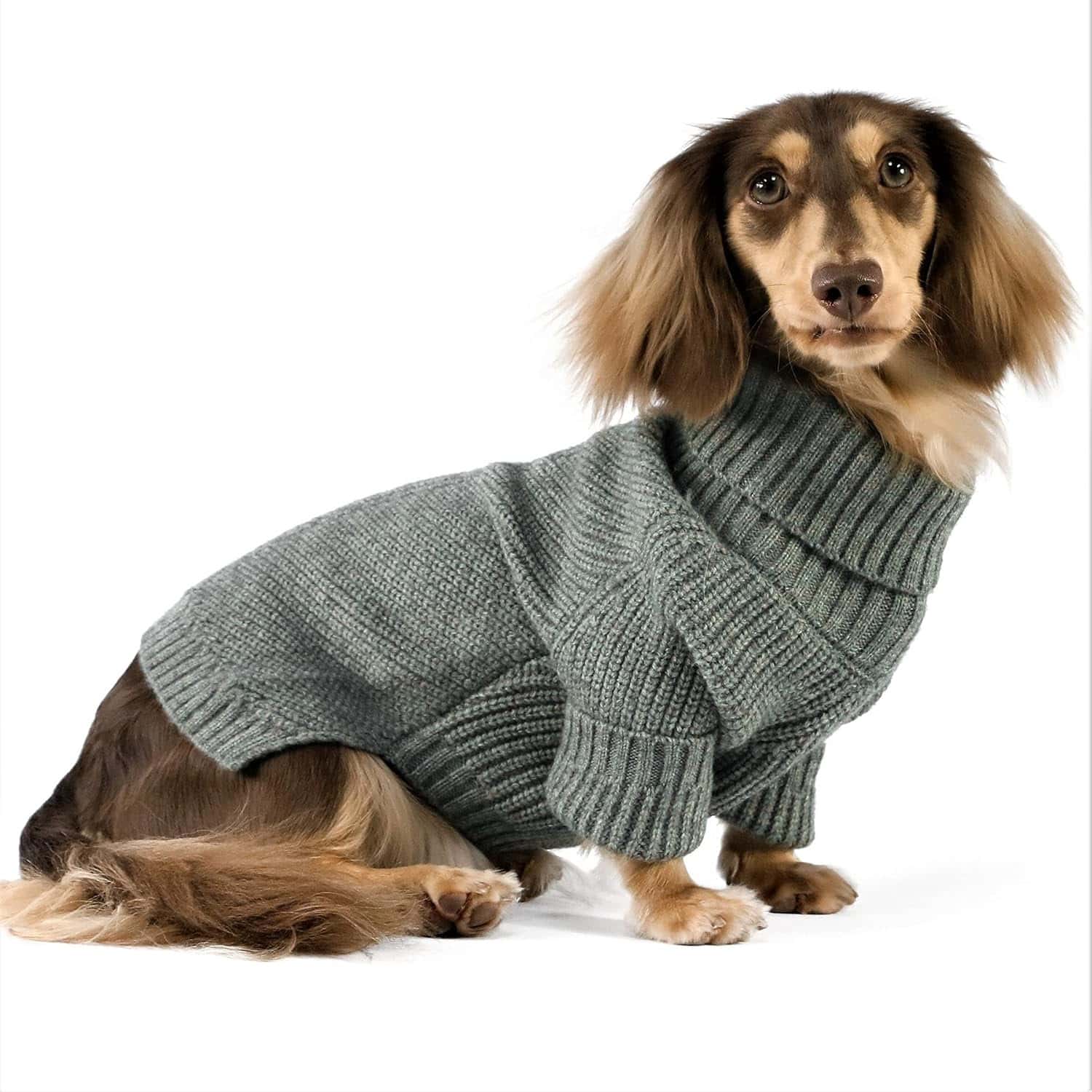
- Long-haired means they’ve inherited a feathered, silky coat that floats behind them like a little cloak. Often, their ears and tail are especially luxurious.
I remember meeting Bruno, the first chocolate dapple long-haired dachshund I ever saw, at the Royal Botanic Garden Sydney. He looked like he belonged in a fairytale—trotting down a gravel path under jacaranda blossoms, his coat catching the light like brushed velvet. People literally stopped to take photos.
When you see one in person, you’ll understand why this particular type turns heads everywhere they go. They’re not just adorable—they’re spellbinding.
Related: What Is a Chocolate Dapple Dachshund?
Temperament: More Than Just a Pretty Face
Don’t let the elegant coat fool you—chocolate dapple long-haired dachshunds are full of character. While their long-haired cousins tend to be a touch more relaxed than their smooth or wire-haired siblings, they still have that signature dachshund spark. Think: sensitive but sassy.
From what I’ve seen over the years (and yes, I’ve met my fair share at weekend sausage dog meet-ups in Rushcutters Bay Park), most chocolate dapple long-haired dachshunds are a mix of these traits:
- Observant: They’ll spot a lizard three gardens over, or hear the postie before you do.
- Cuddly: If you sit down with a blanket, don’t be surprised to find a warm little body wedged under your elbow in minutes.
- Playful: Tug toys, squeaky balls, and the chase-me game? Absolutely their vibe.
- Occasionally dramatic: They’re not afraid to vocalize their displeasure (Maple once sighed at me for picking the wrong walking route).
They bond deeply with their humans and can be wary of strangers at first, but once you’re in their circle, you’re in. I’ve seen chocolate dapples roll onto their backs for belly rubs within five minutes of meeting a gentle kid or calm adult—it just takes a little patience and positive socialization.
Related: Chocolate Dapple Dachshund Puppies
Grooming: Yes, You’ll Need a Brush (and a Lint Roller)
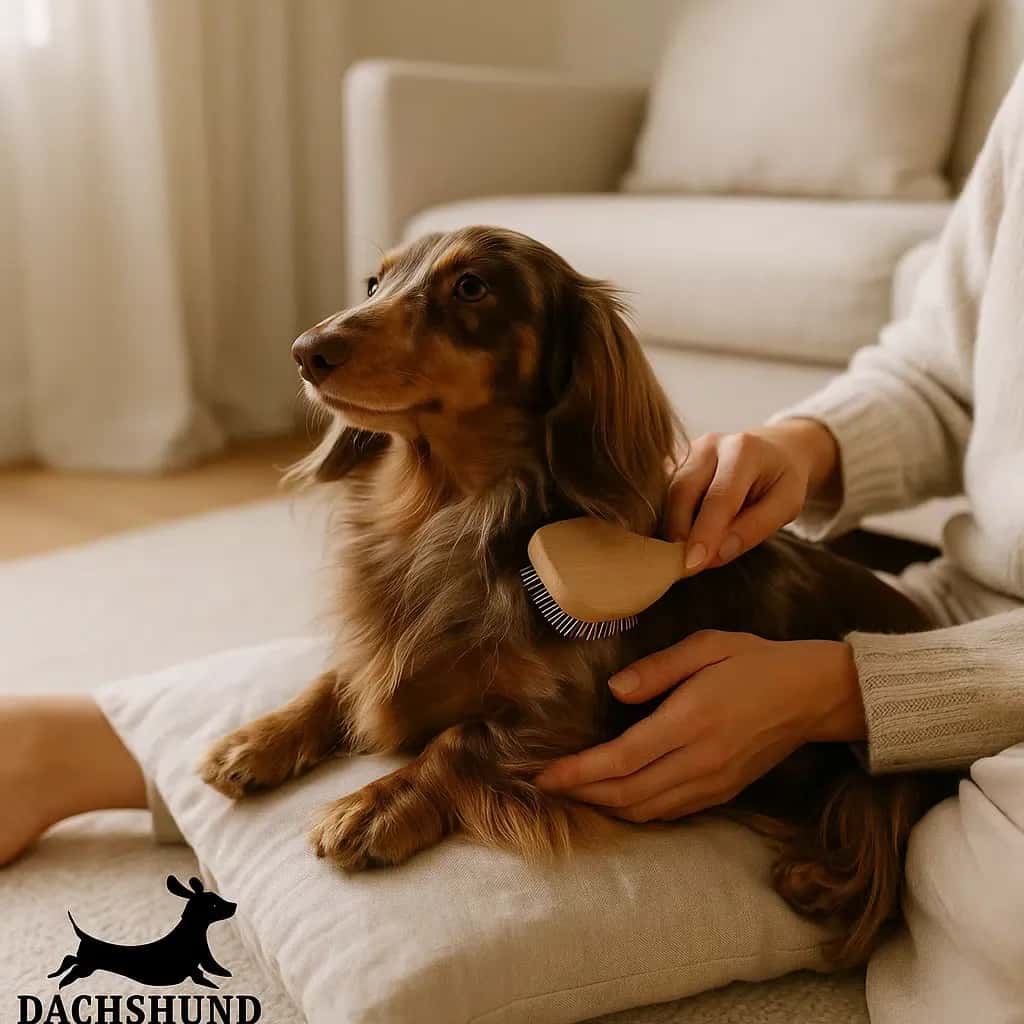
If you’ve ever lived with a long-haired dachshund, you already know: the fur isn’t just beautiful—it’s everywhere. On the couch, on your black pants, occasionally in your tea. But brushing a chocolate dapple long-haired dachshund isn’t a chore—it’s a ritual. One that builds trust, calms nerves, and keeps their coat as silky as it looks in all the photos.
Here’s the full routine I recommend (based on trial, error, and one slightly dramatic grooming session involving a burr and a tail):
Grooming Checklist:
- Brush: Daily is best, especially behind the ears, chest, and “armpits.” A soft slicker brush or pin brush works beautifully on their flowing coat.
- Bath: Every 4–6 weeks, or when they’ve decided to roll in something questionable at the park. Use a gentle, dog-safe shampoo—look for oatmeal or aloe formulas.
- Trim: Regular tidy-ups around their paws, tail, and feathered ear tips. I trim Maple’s ear fringes when they start dipping into her water bowl.
- Ears: Long hair = less airflow. Wipe the outer ear weekly and gently clean with a vet-approved solution to prevent infection.
- Teeth: Aim for brushing 2–3 times per week. Dental chews help, but nothing beats a proper brush.
Ellie’s Tip: Maple tolerates brushing… but adores her lick mat. I spread a thin layer of peanut butter on it (the dog-safe kind) and she’s still as a statue while I work through any tangles.
Their coat not only requires maintenance—it deserves it. There’s something deeply calming about the process. And honestly, it’s hard not to feel proud when they’re strutting down the street looking like a miniature lion with cocoa-swirled curls.
Common Health Considerations
Chocolate dapple long-haired dachshunds are undeniably captivating—but like all dachshunds, their beauty comes with a few responsibilities. Some are coat-related, others are linked to their long-backed build or the genetics behind that marbled dapple pattern.
As a dachshund enthusiast (and someone who’s Googled “why is my dachshund limping” at 2am), here are the key things I’ve learned to watch out for:
1. IVDD (Intervertebral Disc Disease)
This is the big one for all dachshunds. Their long spine and short rib cage make them more vulnerable to slipped or ruptured discs. It can happen suddenly, even from something as innocent as jumping off the couch.
Prevention tips:
- Invest in ramps or steps for furniture (yes, Maple has two).
- Keep them at a healthy weight—extra kilos = extra pressure on the spine.
- Avoid high-impact activities like stair sprints or jumping from cars.
2. Double Dapple Risks
The dapple gene is beautiful, but doubling up can be dangerous. When two dapple dachshunds are bred together, the puppies may inherit severe vision or hearing impairments—or be born completely blind or deaf.
What to ask breeders:
- Are both parents dapple? (They shouldn’t be.)
- Have the puppies been BAER (hearing) and eye tested?
- Can I see the genetic health history?
3. Ear Infections
Their feathered, floppy ears are beautiful but trap moisture easily. Combine that with a love of sniffing under bushes, and you’ll want to keep a close eye (or nose) on them.
Ellie’s Tip: A quick weekly ear check and wipe-down can prevent most issues. If it smells yeasty or looks red, it’s time for the vet.
4. Dental Problems
Small breed dogs like dachshunds are prone to overcrowded teeth, which can lead to plaque buildup, decay, and bad breath (Maple’s pre-brushing kisses were… pungent).
Brush their teeth regularly and ask your vet about scaling during routine checkups.
5. Obesity
This breed loves food—and they’re persuasive. (Maple can con a second breakfast out of my partner with just a glance.) But extra weight adds serious strain to their back and joints.
Stick to portioned meals, limit treats, and choose quality food that suits their size and activity level.
Mini or Standard?
When people first meet a chocolate dapple long-haired dachshund, one of the most common questions I hear—right after “Is that a real breed?”—is: “Is that a mini or a standard?”
The answer? It could be either. Both miniatures and standards can carry the chocolate, dapple, and long-haired genes. But there are some subtle differences beyond size that might help you choose the right match for your home (and lap).
Miniature Chocolate Dapple Long-Haired Dachshund
- Weight: Typically under 11 lbs (5 kg)
- Personality: Alert, spirited, and a little cheeky
- Energy levels: Surprisingly high for their size—they’re pocket rockets with feathered ears
- Ideal for: Smaller homes, apartments, or people who want a very portable dachshund
I’ve met quite a few minis through Maple’s dog park circuit—most recently at a Sunday market in Surry Hills. They love being carried in totes (guilty) but will happily trot the entire length of a farmers’ market if there are smells and socializing involved.
Standard Chocolate Dapple Long-Haired Dachshund
- Weight: 16–32 lbs (7–14.5 kg)
- Personality: Often more grounded and calm, though just as affectionate
- Energy levels: Moderate—playful but may enjoy longer naps between zoomies
- Ideal for: Families with space, or people who enjoy leisurely walks and cuddle sessions
Standards tend to feel sturdier—both physically and emotionally. The standard I dog-sat last winter (a gentle guy named Baxter) was a total shadow-dog. He followed me from room to room, then promptly fell asleep in the sunniest patch he could find.
Choosing Between the Two
It’s not just about square footage. Minis might need more attention and mental stimulation, while standards can sometimes be a little more independent. Both will happily rule your household, demand your spot on the couch, and love you endlessly in return.
Whichever size you choose, you’re getting the same soul: a clever, loyal, slightly dramatic dachshund wrapped in a show-stopping coat.
Related: Chocolate Dapple Mini Dachshund
Puppyhood: What to Expect
There’s something unforgettable about raising a chocolate dapple long-haired dachshund from puppyhood. The first time Maple tried to bark, it came out as more of a squeaky hiccup than a proper woof—and yet she acted like she’d just defended the house from a bear. That tiny sense of self-importance never really goes away (and honestly, we wouldn’t have it any other way).
Their Coats Will Change
Chocolate dapple long-haired puppies are born with their unique marbled pattern, but their coloring may shift subtly over time. Some lighten, especially around the chest and belly; others deepen into a richer cocoa tone. And that long coat? It often starts out extra fluffy and soft—more like down than fur—before becoming silkier as they mature.
- Expect some “puppy floof” for the first 4–6 months
- Brushing early helps prevent matting and builds grooming tolerance
- Their dapple pattern usually becomes more distinct with age
They’re Curious, Clever, and a Bit Clumsy
Dapple dachshund puppies tend to be both playful and surprisingly aware of their surroundings. They’ll notice every new noise, chase shadows, and explore under every piece of furniture. Be prepared for some dramatic tumbles, lots of tail wags, and a fair amount of zoomies on polished floors.
- Puppy-proof your space: cords, socks, low shelves—all fair game
- Enrichment toys are key for their smart little brains
- Crate training gives them a safe space to retreat and reset
Chew Everything, Love Deeply
Like most teething pups, chocolate dapples will chew… anything. Corners of furniture, shoelaces, and yes—even the remote if given the chance. Invest early in quality chew toys (bonus points if they squeak). And don’t underestimate the power of routine: predictable nap and play windows help them settle more quickly.
- Use frozen carrots or puppy-safe chews for teething relief
- Introduce toothbrushing early—gentle and short sessions at first
- Daily brushing helps them see grooming as bonding time
Prepare for Attention (Lots of It)
Even strangers who don’t know the breed will stop you to ask questions. That marbled coat and flowing fur tend to turn heads. And while your pup may start out a little shy, regular socialization helps build confidence early on.
- Take short, positive outings: parks, cafes, pet shops
- Reward calm behavior with treats and praise
- Gradually introduce new textures, sounds, and surfaces
Ellie’s Tip: One of the best things I ever did was take Maple to a low-key puppy school with a small group. It wasn’t just training—it helped her learn to read other dogs, trust new humans, and become the confident (and opinionated) little lady she is today.
Read Next: Chocolate Dapple Dachshund Puppies
Training Tips for This Type
Chocolate dapple long-haired dachshunds are clever, but don’t let those soulful eyes fool you—they often come with a streak of mischief and just the right amount of stubbornness to keep you on your toes. Training isn’t about domination; it’s about collaboration, with a healthy dose of patience (and chicken).
Positive Reinforcement Is Everything
These dogs respond far better to encouragement than scolding. They want to please you—but only when it feels like their idea. Treats, praise, and consistency are your best tools.
- Keep sessions short and upbeat: 5–10 minutes at a time
- Use high-value rewards like freeze-dried chicken or tiny cheese cubes
- Mark good behavior immediately with a cue word (“yes!” works wonders)
Crate Training Builds Security
A crate isn’t a punishment—it’s a den, a quiet spot to unwind after a busy day of sniffing the same bush seventeen times. Starting crate training early gives them a sense of routine and a safe place to nap, travel, or retreat when overwhelmed.
- Make the crate cozy with blankets and a familiar toy
- Never use it for punishment
- Begin with short stays and build gradually
The dapple coat might be eye-catching, but temperament matters more in the long run. Exposing your dachshund to new people, dogs, and environments early on helps prevent reactivity or nervousness later.
- Invite gentle, dog-savvy friends over for low-key visits
- Try short walks in new places like garden centers or quiet outdoor cafés
- Expose them to different sounds—vacuum, traffic, rain—calmly and positively
Leash Manners Take Time
Dachshunds are nose-driven explorers. On a walk, they’ll often forget you’re attached to the leash at all. Teaching loose-leash walking is an ongoing process, but it’s worth the effort.
- Use a harness to protect their spine (avoid pressure on the neck)
- Stop walking when they pull; reward them for returning to your side
- Keep early walks short and structured
Protect the Back with “No Jump” Rules
Because of their long spines, jumping on or off furniture can put unnecessary strain on their backs. Training them to wait to be lifted—or better yet, use a ramp—can help prevent injury.
- Teach a “wait” or “stay” command at the couch edge
- Reward them for using a ramp or stairs
- Avoid games that involve a lot of leaping or twisting
Ellie’s Tip: Maple picked up “leave it” in under a week—but only when I made it a theatrical production. If I gasped dramatically and whispered “oooh what a clever girl,” she’d practically curtsy. Dapples live for applause.
Where to Find One
Finding a chocolate dapple long-haired dachshund should feel more like matchmaking than shopping. This isn’t just a dog—it’s a long-term companion with quirks, charm, and a dramatic flair for blanket burrowing. So, where do you begin?
Start with Ethical Breeders (Yes, They Still Exist)
A reputable breeder prioritizes health, temperament, and socialization over quick profits or trendy colors. They’ll be transparent, a little nosy (they should ask about you, too), and deeply passionate about the breed.
Here’s what to look for:
- Health-tested parents: This includes genetic testing, especially for IVDD and eyes.
- No double-dapple pairings: Ethical breeders avoid pairing two dapple dachshunds to prevent hearing or vision impairments in puppies.
- Early socialization: Puppies should be raised in the home, handled regularly, and exposed to gentle noises and routines.
- Detailed paperwork: You should receive proof of vaccinations, microchipping, and family lineage—no vague “mum’s a purebred” answers.
Ellie’s Tip: Ask to meet the parents (or at least the dam). Their temperament often gives you a glimpse into your future dog’s personality.
Authored by
Ellie
Ellie is a lifelong dachshund lover and the proud human of Maple, a long-haired brown doxie with a regal side-eye. While not a vet, Ellie brings honest, researched, and experience-based insights into every article she writes for the Dachshund Lovers community.
Read moreEllie is a lifelong dachshund lover and the proud human of Maple, a long-haired brown doxie with a regal side-eye. While not a vet, Ellie brings honest, researched, and experience-based insights into every article she writes for the Dachshund Lovers community.
Read moreThere are no comments yet
Leave a comment